Posted On: Apr 23, 2026
Author: Jason H.
home-safety smoke-detector home-maintenance
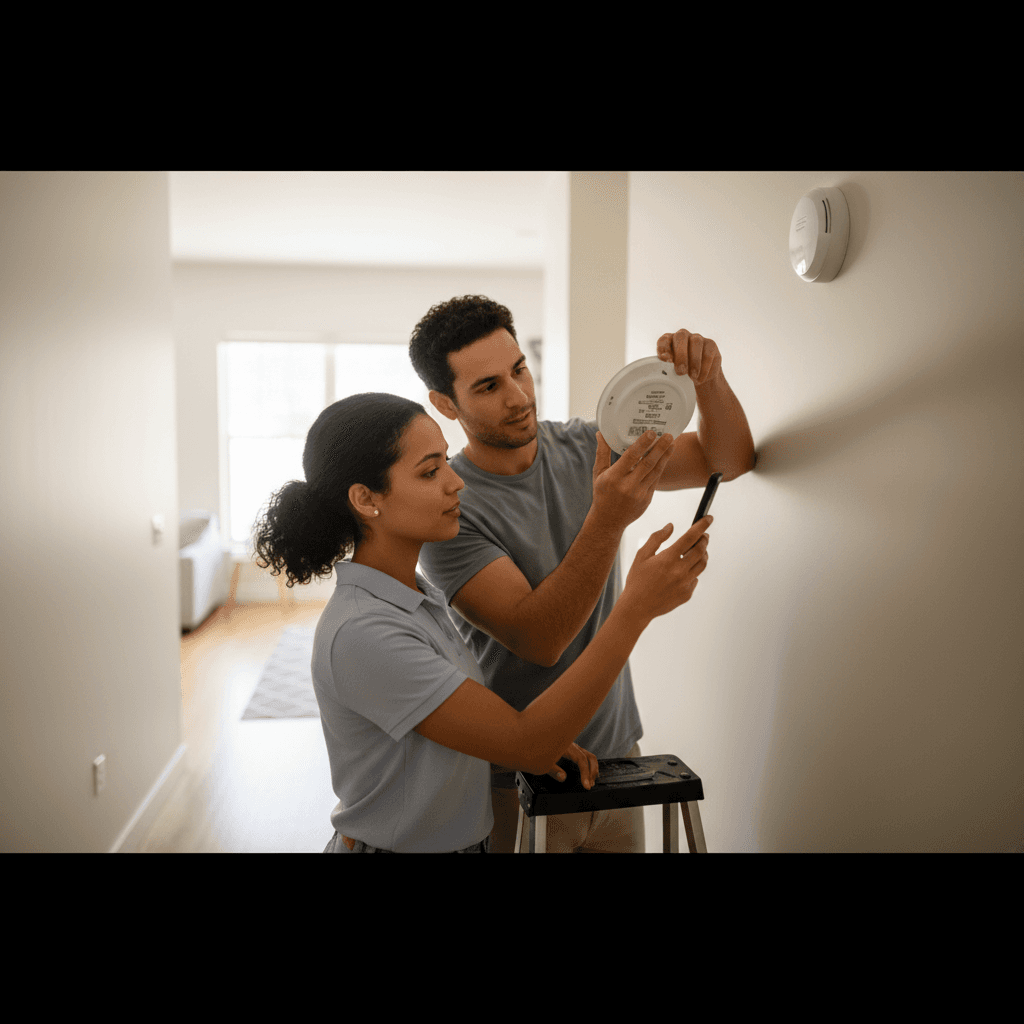
We’ve all been there. It’s 3 AM, and a relentless, high-pitched chirp starts echoing through the house. Your first thought is the battery in the smoke detector. You grab a chair, fumble with the cover, swap the 9-volt, and silence returns. But what if that chirp is telling you something far more critical?
While a low battery is a common culprit, that intermittent beep can also be an end-of-life warning. That’s right—your smoke and carbon monoxide (CO) detectors have an expiration date. They are not 'set it and forget it' devices. They are your home's silent sentinels, and keeping them in working order is one of the most important maintenance tasks you can perform.
For first-time homeowners, navigating these essential safety devices can be confusing. Let's clear the smoke and make sure your home is properly protected.
First, it’s crucial to understand that smoke and carbon monoxide are two different threats, requiring two different types of detection.
Many modern devices are combination smoke and CO alarms, which is a great, space-saving option. Just be sure you know what your device covers.
Here’s the single most overlooked fact about these alarms: Every smoke detector in your home should be replaced at least every 10 years. For CO or combination alarms, the lifespan is often shorter, typically 7 to 10 years.
Why? The radioactive element (Americium-241) in ionization sensors decays, and the electronic components in all sensors degrade over time, becoming less sensitive and reliable. A 15-year-old smoke detector is a dangerous gamble.
How to Check: Carefully twist the detector off its base. On the back, you'll find a label with the date of manufacture. If it’s more than 10 years old, replace it immediately. If you’ve just moved in and don’t know their age, it's safest to replace them all to start the clock fresh.
To make things more complex, there are two main types of smoke sensors, and they excel at detecting different kinds of fires.
Because you can't predict what kind of fire you might have, the U.S. Fire Administration recommends using either both types of alarms or installing dual-sensor alarms that contain both technologies.
Proper placement is just as critical as having a working alarm. You need enough of them in the right spots to provide a true early warning. Follow these guidelines:
Once your new detectors are installed, a simple routine is all it takes to keep them ready.
Trying to remember the installation date of five different smoke detectors, plus when you last changed the batteries in each, can feel overwhelming. This is exactly where Properteer transforms a stressful task into a simple, automated plan.
With the Properteer app, you can easily log each smoke and CO detector in your home, note its installation date, and set reminders for crucial tasks. Properteer's smart system will do the remembering for you, sending timely alerts to test your alarms, change the batteries, and—most importantly—give you a heads-up when that critical 10-year replacement deadline is approaching.
Don't leave your family's safety to chance or a faulty memory. Visit Properteer.ai to turn your home maintenance to-do list into a to-done list, and gain true peace of mind.
Q: Why is my smoke detector chirping if I just changed the battery? A: A persistent chirp often means the unit has reached its end-of-life. Check the manufacture date on the back; if it's over 10 years old, it's time to replace the entire unit, not just the battery.
Q: How often do I really need to replace my smoke detectors? A: The national standard is every 10 years, maximum. The sensors inside degrade and become less reliable over time. For CO or combination units, check the manufacturer's recommendation, as it can be 7-10 years.
Q: Where is the most important place to have a smoke detector? A: The National Fire Protection Association (NFPA) recommends installing them on every level of the home, inside each bedroom, and outside each sleeping area.
Q: What's the difference between an ionization and a photoelectric alarm? A: Ionization alarms are faster at detecting flaming fires, while photoelectric alarms are faster at detecting smoky, smoldering fires. For the best protection, it's recommended to have both types or install dual-sensor alarms.
Q: My alarms are hardwired into the house. Do they still need maintenance? A: Yes. Hardwired alarms still have a backup battery that needs to be replaced annually. They also have the same 10-year lifespan and must be replaced on schedule.