Posted On: Feb 22, 2026
Author: Andy H.
septic-system home-maintenance first-time-homeowner
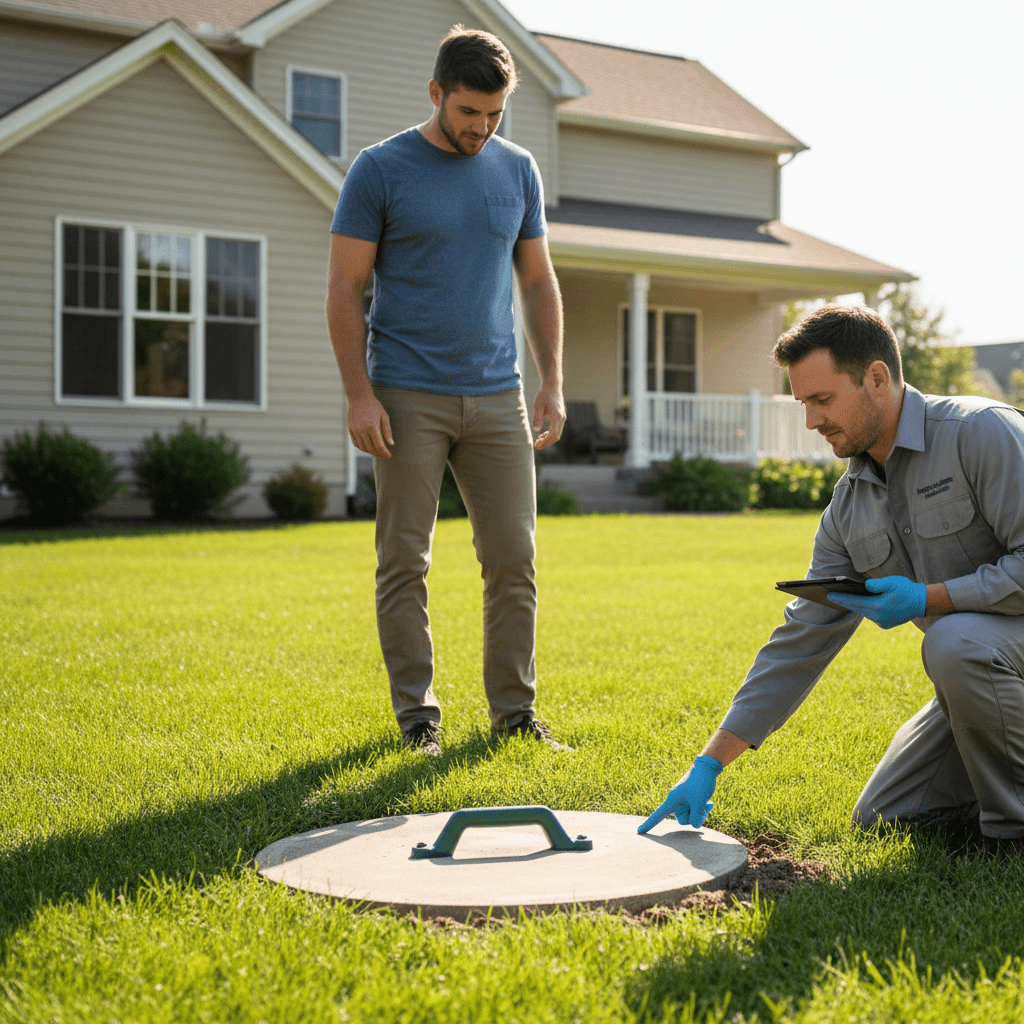
For many first-time homeowners moving away from the city, the word "septic" can sound intimidating. It’s a mysterious, unseen utility that you’re suddenly responsible for. But fear not. Understanding your septic system isn’t complicated, and knowing the basics is the single best thing you can do to prevent a costly, messy, and downright smelly disaster down the road.
Think of your septic system as your home's private, miniature wastewater treatment plant. It's an incredibly effective, self-contained system when treated with a little respect. Here’s what you need to know.
A typical septic system has two main parts:
Simple, right? The whole system is designed to work passively, but it relies on you to follow a few golden rules.
Your septic system contains a living ecosystem of bacteria that breaks down the solid waste in the tank. Your job is to keep that ecosystem healthy and avoid overwhelming the system.
The only things that should ever be flushed down the toilet are human waste and toilet paper. That’s it. Everyday items can clog your pipes, disrupt the bacterial balance, and fill your tank with indigestible junk.
Never flush:
Antibacterial soaps, harsh chemical cleaners, and large amounts of bleach can kill the beneficial bacteria working in your tank. Use these products sparingly and opt for biodegradable or "septic-safe" cleaners when possible. A little bit here and there won't hurt, but consistently pouring bleach down the drain is a recipe for trouble.
Your drainfield can only handle so much water at once. Spreading out your water usage is key. Instead of doing five loads of laundry on a Saturday, do one load each day. This gives the drainfield time to properly absorb and filter the water without becoming saturated.
Your system will usually give you hints before it fails completely. Keep an eye (and nose) out for:
This is the one maintenance task you cannot skip. Over time, the sludge layer at the bottom of your tank builds up. If it gets too high, it can flow into and permanently clog your drainfield—a repair that can cost well over $10,000.
You should have your septic tank professionally pumped and inspected every 3 to 5 years. The exact frequency depends on your tank size, the number of people in your home, and your daily habits. It's a simple, relatively inexpensive procedure that is your best defense against catastrophic failure.
Remembering to schedule a septic pumping every few years, keeping track of what not to flush, and budgeting for a potential five-figure replacement decades down the road—it’s a lot to manage on top of everything else.
This is exactly why Properteer was created. Instead of letting these crucial tasks fall through the cracks, Properteer acts as your home's digital co-pilot.
Your septic system is a vital part of your home. With a little knowledge and the right tools, you can go from feeling intimidated to feeling empowered. Let Properteer help you protect your investment, one smart alert at a time. Visit properteer.ai to get started.
How often should I get my septic tank pumped?
Generally, every 3 to 5 years. This can vary based on the size of your tank and the number of people living in your home. An inspector can give you a more precise recommendation.
What can I safely flush down the toilet with a septic system?
It's simple: only human waste and toilet paper. Anything else, including products marketed as "flushable," risks clogging your system and causing expensive damage.
Can I use a garbage disposal with a septic tank?
It's strongly discouraged. Garbage disposals add a significant amount of solid waste to your tank, which means you'll need to have it pumped much more frequently (often annually) to prevent problems.
What are the most common signs my septic system is failing?
The biggest red flags are persistent sewage odors in your yard or home, slow drains in all of your sinks and tubs, and wet, soggy spots or unusually green grass over your drainfield area.