Posted On: Mar 3, 2026
Author: Jason H.
utility bills home diagnostics saving money
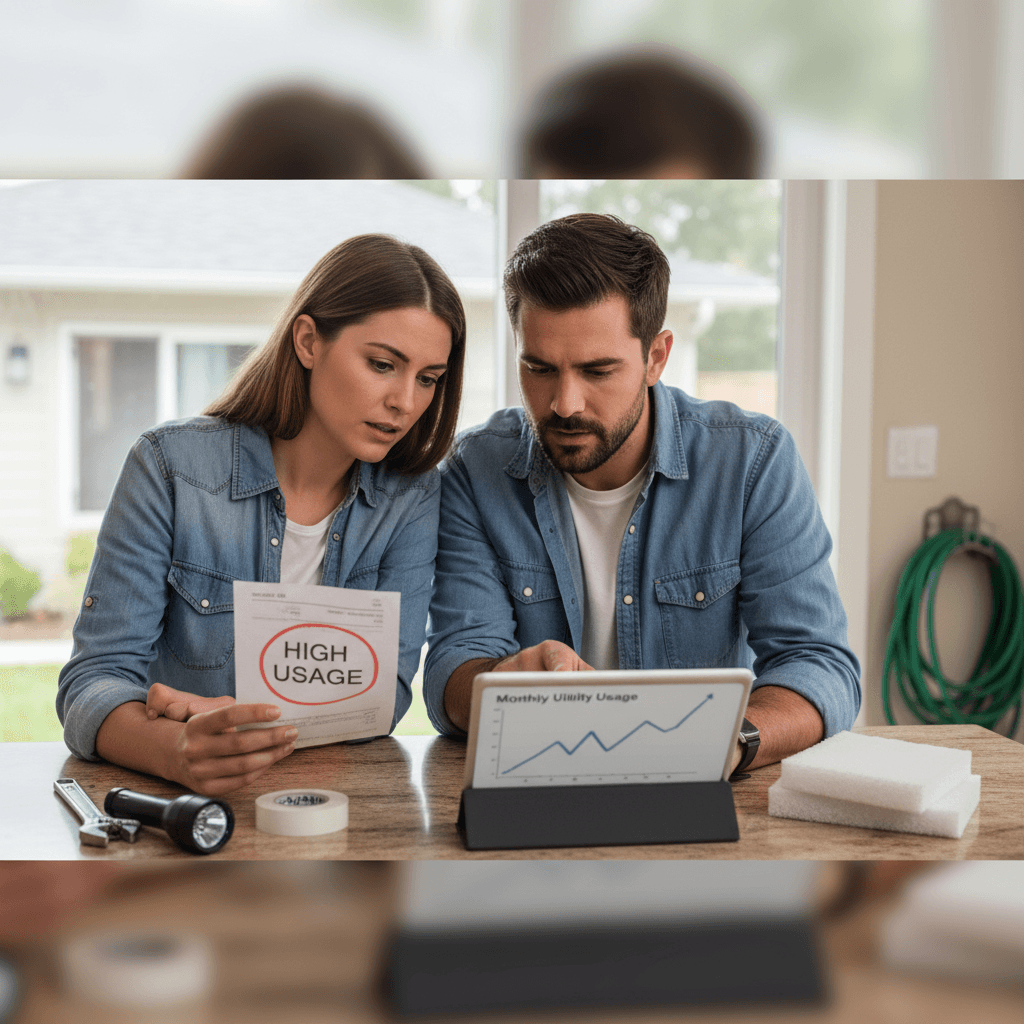
For most homeowners, the arrival of the monthly utility bills brings a familiar sigh. It’s an expense we expect, a cost of living we budget for. But what if you started looking at those bills not as a financial drain, but as a diagnostic tool? A secret health report delivered to your mailbox every month?
Your home is constantly working, and its major systems—plumbing, electrical, and HVAC—leave clues about their performance in your monthly usage data. Learning to read these clues can be the difference between a simple, proactive fix and a catastrophic, wallet-draining emergency. Let’s decode what your bills are trying to tell you.
Your water usage should be relatively consistent from month to month, with some predictable seasonal variation (like watering the lawn in the summer). An unexpected, significant spike is a massive red flag that you have a leak somewhere.
What to look for: A sudden jump in your bill when your habits haven't changed.
Common Culprits & How to Investigate:
Your electricity bill will naturally fluctuate with the seasons, peaking in the summer when the air conditioner is running. But a sharp, off-season increase is a sign that something is working much harder than it should be.
What to look for: Usage that’s significantly higher than the same month last year.
Common Culprits & How to Investigate:
For homes with natural gas, this bill is all about your furnace, water heater, and other gas appliances. A steady climb in winter usage that outpaces rate increases suggests an efficiency problem.
What to look for: Your bill is getting higher each winter, even though you haven't changed the thermostat setting.
Common Culprits & How to Investigate:
Reading your utility bills is a powerful first step, but keeping track of which appliance is how old, when you last flushed the water heater, or what the lifespan of your furnace is can feel overwhelming.
This is where smart home management becomes your superpower. Instead of reacting to a scary utility bill, you can plan ahead with confidence. Properteer transforms this anxiety into a simple, actionable plan. Our app helps you create a complete inventory of your home's major systems and appliances, tracking their age and expected lifespan.
Forget trying to remember the last time you changed that furnace filter—Properteer sends you a smart alert to remind you. Worried about when that 15-year-old water heater might fail? Properteer helps you budget for its replacement long before it becomes an emergency. Stop decoding disasters and start building a plan for a safe, efficient, and well-maintained home.
Take control of your home's health and your budget. Get started with Properteer today at https://properteer.ai.
Q: Why did my water bill suddenly double? A: A sudden doubling of your water bill is almost always a leak. The most common culprits are a running toilet, a dripping faucet, or a leak in your outdoor irrigation system. Start by checking your toilets, as they are the most frequent source of silent, high-volume leaks.
Q: How can I tell if my toilet is running silently? A: Use the food coloring test. Add several drops of dark food coloring to the water inside your toilet tank (the upper part) and wait 15-20 minutes without flushing. If any of that color has seeped into the toilet bowl, it means the flapper valve is faulty and needs to be replaced.
Q: My electric bill is high, but my habits haven't changed. What should I check first? A: The first and easiest thing to check is your HVAC system's air filter. A dirty, clogged filter restricts airflow, forcing the system to run longer and harder, which consumes much more electricity. Also, check major appliances like your refrigerator or a stand-alone freezer to ensure they aren't running constantly, which can signal a mechanical problem.
Q: What's the best way to track my utility usage to spot problems? A: Most utility companies provide an online portal where you can view your historical usage. The most effective way to spot a problem is to compare your current bill not just to last month's, but to the same month from the previous year. This helps account for seasonal variations and highlights true anomalies in your home's performance.