Posted On: Jun 18, 2026
Author: Andy H.
maintenance-checklist seasonal-tasks home-care
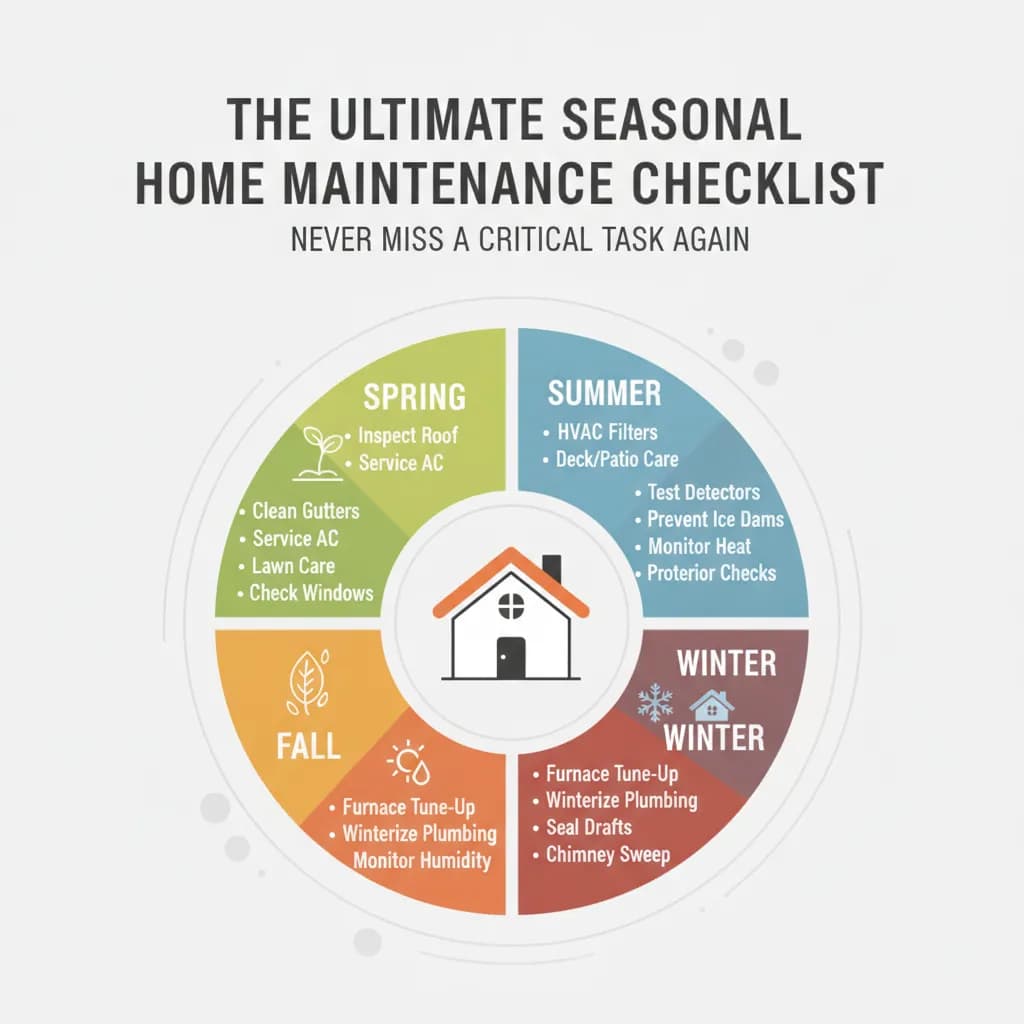
Owning a home is one of the most rewarding experiences, but it's also a significant responsibility. Your house isn't just a place to live; it's a complex system of interconnected parts that require regular attention to function correctly. Deferring maintenance might seem like it saves time and money in the short term, but it's a surefire way to face expensive, stressful, and often catastrophic repairs down the road. The secret to avoiding these headaches is proactive, preventative care.
That’s where a seasonal checklist comes in. By aligning tasks with the time of year, you can address potential issues before they become major problems—servicing your AC before the first heatwave, cleaning gutters before the winter rains, and sealing drafts before your heating bill skyrockets. This guide provides a definitive, room-by-room, season-by-season plan to keep your home safe, efficient, and valuable. Think of it as your year-round playbook for smart homeownership.
As the snow melts and the days get longer, it's the perfect time to assess your home for winter damage and prepare it for the warmer months ahead. Spring maintenance is all about cleaning, repairing, and refreshing your home’s most critical systems, from the roof down to the foundation.
Spring maintenance is critical because it addresses the damage caused by winter's harsh conditions—ice, snow, and freeze-thaw cycles—while preparing your home for the heat and heavy rains of summer. Neglecting these tasks can lead to a cascade of problems, such as a leaky roof from damaged shingles, foundation issues from clogged gutters, or a failed AC unit during the first major heatwave. By dedicating a weekend or two to these checks, you can catch small issues while they are still minor and inexpensive to fix. This proactive approach not only prevents costly emergency repairs but also improves your home's energy efficiency, curb appeal, and overall structural integrity, ensuring it remains a safe and comfortable sanctuary for the year to come.
You inspect your roof after winter by using binoculars from the ground or, if you can do so safely, by climbing a securely placed ladder to get a closer look. Winter can be brutal on a roof, so you are looking for specific signs of damage like cracked, buckling, or missing shingles, which can create entry points for water. Pay close attention to the flashing around chimneys, vents, and skylights, as these metal seals are common failure points. Also, look for an excessive amount of shingle granules in your gutters; while some loss is normal, a large accumulation can indicate that your shingles are nearing the end of their lifespan. If you spot any significant damage or are uncomfortable performing the inspection yourself, it's always best to call a professional roofing contractor for a thorough assessment.
The best way to clean gutters and downspouts is to manually remove debris with a trowel and then flush the entire system with a garden hose to ensure proper water flow. Start by scooping out leaves, twigs, and other gunk that has accumulated over the winter, placing it in a bucket or onto a tarp to protect your lawn. Once the large debris is gone, use a hose with a spray nozzle to wash out any remaining grit, starting at the end opposite the downspout. Watch the water run through the downspout; if it backs up or only trickles out, you have a clog. You can often dislodge these clogs by feeding the hose down into the downspout or using a plumber's snake. Clean gutters are non-negotiable for protecting your foundation, siding, and landscaping from water damage.
You should check your home's exterior for damage by performing a slow, methodical walk-around, examining everything from the foundation to the eaves. Look for cracks or peeling paint on your siding and trim, as these can allow moisture to penetrate and cause rot. Examine the foundation for any new cracks, especially near corners or below windows. For brick homes, check the mortar for crumbling sections. Use a screwdriver to gently poke at any wooden trim, especially around windows and doors, to test for soft spots that indicate rot. This is also a great time to check for any gaps where pests could enter and seal them with caulk or expanding foam. A thorough exterior inspection can save you from major structural repairs later on.
You should service your air conditioning unit in the early spring, well before you need to use it for the first time. Scheduling a professional HVAC tune-up in March or April allows you to beat the annual rush of homeowners who wait until the first 90-degree day, only to find their system isn't working. A professional service call, which typically costs between $100 and $200, includes cleaning the coils, checking refrigerant levels, testing electrical components, and ensuring the whole system is running efficiently and safely. This preventative maintenance not only helps you avoid a sweltering emergency call but also extends the life of your expensive AC unit and can lower your summer cooling bills by up to 15%, according to the U.S. Department of Energy.
The key steps for spring lawn and garden care involve cleaning up winter debris, preparing the soil, and setting the stage for healthy growth. Start by raking away fallen leaves and dead grass (dethatching) to allow air and sunlight to reach the soil. Next, aerate your lawn to reduce compaction and improve water and nutrient absorption. This is also the ideal time to apply a slow-release nitrogen fertilizer to encourage strong root development. For garden beds, amend the soil with compost, trim back any perennial plants that weren't cut back in the fall, and divide any overgrown clumps. Finally, inspect your irrigation systems or sprinklers for any leaks or damaged heads before you turn them on for the season.
You inspect windows and screens for repairs by cleaning them thoroughly and then checking for any operational or physical faults. First, give your windows and sills a good cleaning to remove winter grime. As you clean, check the caulking and weatherstripping around the frames for any cracks or gaps that could let in air and moisture; re-caulk where necessary. Open and close each window to ensure it operates smoothly. For your screens, remove them and lay them on a flat surface. Look for any rips or holes, which can be easily fixed with a screen patch kit. A bent frame can often be gently straightened, but a severely damaged screen may need to be replaced. This simple task improves your view, boosts energy efficiency, and keeps bugs out.
Summer is the season for enjoying your home, but it also brings challenges like high heat, humidity, and pests. Your maintenance focus should shift to keeping your home cool and efficient, managing moisture, and ensuring your outdoor living spaces are safe and ready for fun.
The primary goals of summer home maintenance are to maximize energy efficiency, control pests, and maintain outdoor living areas. With your HVAC system working overtime, simple tasks like cleaning filters and ensuring the outdoor unit is clear of debris are crucial for preventing breakdowns and keeping electricity bills in check. Summer is also peak season for insects and rodents, so inspecting your home's perimeter for entry points and eliminating sources of standing water can prevent infestations. Finally, with more time spent outside, regularly checking your deck, patio, and grill for safety issues ensures you can enjoy the season without worry. These tasks are all about protecting your home and family during the year's hottest months.
You can keep your HVAC system running efficiently during the summer by changing the air filter every 1-3 months and keeping the outdoor condenser unit clean and clear. A clogged air filter forces the system to work harder to circulate cool air, which wastes energy and can cause the unit to freeze up. The outdoor unit needs at least two feet of clear space around it for proper airflow, so be sure to trim back any nearby shrubs or weeds. You can also gently hose down the fins of the outdoor unit (with the power turned off) to remove dirt and debris that can hinder its ability to release heat. These simple, free tasks can significantly reduce your cooling costs and extend the lifespan of your system.
The best way to maintain your deck or patio is with regular cleaning and annual inspections for safety and structural integrity. At the beginning of summer, give the surface a thorough cleaning with a deck cleaner or power washer (on a low setting) to remove dirt, mildew, and grime. As you clean, inspect for any popped nails, loose boards, or wobbly railings and make repairs immediately. For wood decks, check if the sealant is still repelling water by pouring a small amount on the surface; if it soaks in rather than beading up, it's time to re-stain and re-seal the wood to protect it from sun and moisture damage. This yearly ritual keeps your outdoor space looking great and, more importantly, ensures it's safe for family and guests.
You control pests during the summer by focusing on exclusion and eliminating the things that attract them: food, water, and shelter. Regularly walk the perimeter of your home and seal any cracks or holes in the foundation, siding, and around utility lines with caulk or steel wool. Ensure all window and door screens are in good repair. Eliminate sources of standing water where mosquitoes breed, such as in clogged gutters, old tires, or flower pots. Keep your kitchen clean, store food in airtight containers, and take out the trash regularly. By making your home less inviting and accessible, you can prevent most pest problems before they start, reducing the need for chemical treatments.
The most important plumbing checks in the summer involve looking for leaks in high-use outdoor systems and being vigilant about indoor fixtures. Check your garden hoses, sprinklers, and outdoor spigots for drips or cracks, as even a small leak can waste a surprising amount of water over a season. Inside, pay close attention to toilets for signs of silent leaks and check under sinks for any moisture, especially in high-humidity basements. Summer is also a good time to test your home's main water shut-off valve to ensure it works correctly in case of an emergency. Finally, if you have a sump pump, test it by pouring a bucket of water into the pit to make sure it activates properly before a heavy summer thunderstorm hits.
Checking your attic and basement for humidity is critically important in the summer because warm, moist air creates the perfect breeding ground for mold, mildew, and wood rot. High humidity can warp wooden structural components, ruin insulation, and lead to poor indoor air quality. In the attic, ensure your vents are not blocked, as proper ventilation is key to moving hot, moist air out. In the basement, look for condensation on pipes or walls and consider running a dehumidifier to keep the relative humidity below 50%. A simple, inexpensive device called a hygrometer can help you monitor humidity levels in these spaces, allowing you to address problems before they cause thousands of dollars in damage.
Autumn is arguably the most important season for home maintenance. The tasks you complete now are all about buttoning up your home and protecting it from the destructive potential of winter's cold, wind, and precipitation. A little preparation in the fall can prevent a winter disaster.
Fall is the most critical season for home prep because the tasks performed directly prevent the most expensive and damaging problems that occur during winter. Cleaning gutters prevents ice dams, which can destroy your roof and cause major interior water damage. Winterizing outdoor plumbing stops pipes from bursting, a catastrophe that can flood your home. Sealing air leaks not only saves a significant amount of money on heating but also improves comfort and prevents moisture issues. Servicing your furnace ensures you won't be left without heat during a blizzard. Essentially, every major fall maintenance task is a high-stakes defensive move against the costly and dangerous effects of freezing temperatures, snow, and ice.
You prepare your furnace for winter by scheduling a professional tune-up and replacing the filter. A professional HVAC technician will clean the system, inspect the heat exchanger for dangerous cracks, check gas pressure and connections, and ensure all safety features are working. This annual service, costing around $100-$250, is vital for both safety (preventing carbon monoxide leaks) and efficiency. Before the technician arrives, you can do your part by replacing the furnace filter. A clean filter allows for better airflow, making the system work more efficiently and improving your home's air quality. This two-pronged approach ensures your furnace will run reliably and safely all winter long.
The final gutter and roof check you should perform in the fall must happen after the majority of leaves have fallen from the trees. This final cleaning ensures your gutters are completely clear and ready to handle winter precipitation. If left full of leaves, melting snow and ice can't drain properly, leading to the formation of heavy ice dams that can rip gutters off your house and force water under your shingles. During this final check, also take one last look at your roof for any loose or damaged shingles that could be vulnerable to winter winds and storms. A clear and secure roof and gutter system is your home's first line of defense against winter's worst.
You winterize your outdoor plumbing by draining all the water from exterior pipes and systems to prevent them from freezing and bursting. First, disconnect, drain, and store all garden hoses. Next, locate the shut-off valve for each exterior faucet (usually found in the basement or a crawl space) and turn it to the 'off' position. Then, go outside and open the faucet to allow any remaining water to drain out completely, leaving it open slightly for the winter. If you have an in-ground sprinkler system, it's essential to have it professionally blown out with an air compressor to remove all water from the lines, as this is a very common and expensive source of freeze damage.
You can seal air leaks around windows and doors using a combination of caulk and weatherstripping to create an airtight barrier. On a cool, windy day, you can easily find leaks by feeling for drafts or by using a lit incense stick and watching where the smoke wavers. For gaps between the window/door frames and the siding, apply a high-quality exterior caulk. For the moving parts of doors and windows, use weatherstripping. Options include V-strip (tension seal) for the sides of double-hung windows and foam tape or door sweeps for the bottom of doors. According to the U.S. Department of Energy, sealing these leaks can save you 10% to 20% on your heating and cooling bills, making it a project with a fantastic return on investment.
The essential fireplace and chimney maintenance required in the fall is a professional inspection and cleaning, especially if you use it regularly. A certified chimney sweep will remove creosote, a flammable byproduct of burning wood that is the primary cause of dangerous chimney fires. They will also inspect the flue, liner, and masonry for any cracks or damage that could allow sparks or carbon monoxide to enter your home. Before your first fire of the season, you should also test the damper to ensure it opens and closes properly and visually inspect the firebox for any cracks in the brick or mortar. This yearly service is a non-negotiable safety measure for any homeowner with a wood-burning fireplace.
Winter maintenance is less about big projects and more about monitoring your home's systems and staying on top of safety. Your focus should be on preventing damage from ice and snow, ensuring your heating system runs smoothly, and keeping your family safe and warm.
The most essential maintenance tasks during the winter are those focused on safety and preventing freeze-related damage. This includes regularly testing your smoke and carbon monoxide detectors, monitoring your heating system for any unusual sounds or performance issues, and taking steps to prevent ice dams on your roof. It's also critical to know how to protect your pipes from freezing during extreme cold snaps and to keep walkways and driveways clear of ice and snow to prevent dangerous falls. Inside, you should check your basement or crawlspace for leaks after heavy snowmelt and clean filters on appliances like your range hood and dishwasher, which often work harder during the holidays.
You prevent ice dams by addressing the root cause: heat escaping from your living space into the attic, which warms the underside of the roof and melts snow. The three key strategies are improving your attic insulation, ensuring proper attic ventilation, and air sealing any gaps between your living space and the attic. Good insulation (the Department of Energy recommends R-49 to R-60 for most climates) keeps the heat in your house. Soffit and ridge vents allow cold outside air to circulate, keeping the roof deck cold. Air sealing closes off leaks around light fixtures, plumbing stacks, and attic hatches. In the short term, you can use a roof rake to remove the bottom 3-4 feet of snow from your eaves after a heavy snowfall, which removes the fuel for an ice dam.
The correct way to check your heating system regularly during winter is to change the furnace filter every month and listen for any changes in its operation. A dirty filter is the #1 cause of furnace breakdowns, so monthly checks are crucial when the system is in constant use. Simply listen for any new rattling, grinding, or banging sounds, which could indicate a problem with the blower motor or other mechanical parts. Also, be aware of the system 'short cycling' (turning on and off frequently), which can signal an issue. If you have a high-efficiency furnace, check that the exterior intake and exhaust vents are not blocked by snow or ice.
You can protect pipes from freezing by insulating them, keeping your home heated, and allowing faucets to drip during periods of extreme cold. Identify pipes that run through unheated areas like crawl spaces, basements, or exterior walls, and wrap them with foam pipe insulation or heating tape. Always keep your thermostat set to at least 55°F (13°C), even when you are away. During a severe cold snap, open the cabinets under your kitchen and bathroom sinks to allow warm air to circulate around the plumbing. Finally, letting a faucet connected to a vulnerable pipe drip slowly provides pressure relief and keeps water moving, making it much harder for a freeze to occur.
You should focus your interior home maintenance in winter on tasks related to air quality and appliance efficiency, since you're spending more time indoors. Clean the filter on your range hood to improve ventilation while cooking. Check and clean the drain and filter at the bottom of your dishwasher to prevent clogs and odors. This is also a good time to test your smoke and carbon monoxide detectors monthly and replace the batteries if needed. Run water and flush toilets in guest bathrooms or other unused areas to keep traps from drying out. Finally, check under sinks and around toilets and appliances for any new signs of leaks or moisture.
Understanding the potential costs and deciding between DIY and hiring a professional are key to successfully managing your home maintenance checklist. This section provides data to help you budget and plan effectively.
This table provides average national cost ranges for common professional maintenance services. Prices can vary significantly based on your location, the size of your home, and the specific contractor.
| Service | Average Cost Range | Recommended Frequency | Notes | | :--- | :--- | :--- | :--- | | HVAC Tune-Up | $100 - $250 | Annually (Spring for AC, Fall for Furnace) | Prevents breakdowns and improves efficiency. | | Chimney Sweeping & Inspection | $150 - $400 | Annually (if used) | Essential for fire safety. | | Professional Gutter Cleaning | $150 - $350 | 1-2 times per year | Critical for protecting your foundation. | | Lawn Aeration Service | $75 - $200 | Annually (Spring or Fall) | Promotes a healthier, thicker lawn. | | Professional Window Cleaning | $200 - $500 | 1-2 times per year | Includes screens, sills, and tracks. | | Septic Tank Pumping | $300 - $600 | Every 3-5 years | Non-negotiable for homes with septic systems. | | Sprinkler System Winterization | $75 - $150 | Annually (Fall) | Prevents expensive burst pipes. |
Data compiled from industry sources like HomeAdvisor, Angi, and Forbes Home (2023-2024).
| Task | DIY Difficulty | Tools Needed | Avg. Pro Cost | Recommendation | | :--- | :--- | :--- | :--- | :--- | | Changing Furnace Filter | Low | New filter | N/A | DIY. Takes 2 minutes and saves a service call. | | Gutter Cleaning (1-story) | Medium | Ladder, gloves, trowel, hose | $150 - $250 | DIY is manageable for most homeowners with proper ladder safety. | | Gutter Cleaning (2+ story) | High | Tall extension ladder, safety harness | $250 - $350 | Hire a Pro. The risk of a fall is not worth the savings. | | Sealing Air Leaks | Low-Medium | Caulk gun, weatherstripping | $200 - $600 | DIY. A great weekend project with a fast payback on energy bills. | | Furnace Tune-Up | N/A | Specialized diagnostic tools | $100 - $250 | Hire a Pro. Requires technical expertise and deals with gas and electricity. | | Deck Sealing | Medium | Power washer, sander, brushes, stain | $500 - $1,200 | DIY if you have the time and patience; otherwise, a pro ensures an even, lasting finish. | | Chimney Sweeping | N/A | Rods, brushes, vacuum system | $150 - $400 | Hire a Pro. This is a dirty, dangerous job best left to certified professionals. |
Reading through this comprehensive checklist can feel overwhelming, especially for a first-time homeowner. What needs to be done? When? How much will it cost? How do you keep track of it all? The sheer volume of tasks is why so many good intentions fall by the wayside, leading to missed maintenance and expensive future problems.
This is exactly why we built Properteer. We believe that managing your home shouldn't be a source of stress and confusion. Properteer is a simple, powerful app that transforms this massive checklist into a personalized, actionable plan for your home.
Here’s how Properteer helps:
Stop letting home maintenance manage you. Take control with a clear, simple plan. Download the Properteer app today and turn your home maintenance anxiety into homeowner confidence.
Q: How much should I budget for home maintenance annually? A: A reliable rule of thumb is to budget 1% of your home's value for annual maintenance and repairs. For a $400,000 home, that's $4,000 per year, or about $333 per month. This fund should cover both routine tasks (like a furnace tune-up) and minor repairs (like a leaky faucet). It's separate from your savings for large-scale replacements.
Q: I'm a new homeowner and feel overwhelmed. Where should I start? A: Start with safety and water. First, make sure all your smoke and carbon monoxide detectors are working. Second, learn where your main water and gas shut-off valves are. For tasks, focus on the 'Big 5' that prevent the most expensive damage: gutter cleaning, furnace/AC servicing, sealing exterior gaps, checking for leaks under sinks, and winterizing outdoor faucets.
Q: What is the single most important maintenance task I shouldn't skip? A: While many tasks are critical, the most consistently important is managing water around your foundation. This means keeping your gutters clean and ensuring your downspouts direct water at least 5-10 feet away from your house. Water is the #1 enemy of a home, and foundation damage is one of the most expensive repairs a homeowner can face.
Q: Can I do all of these tasks myself? A: Many tasks, like changing filters, cleaning, and sealing air leaks, are great DIY projects. However, any task that involves high risk (like working on a steep roof), specialized tools (HVAC or electrical work), or potential for major damage if done wrong (plumbing or gas lines) should be left to a licensed and insured professional.
Q: How often should I refer to this seasonal checklist? A: Review the upcoming season's checklist about a month before that season officially begins. This gives you plenty of time to schedule any professional services you might need (like an HVAC tune-up or chimney sweep) before they get booked up, and allows you to plan your DIY tasks for a weekend when the weather is favorable.