Posted On: Jul 10, 2026
Author: Jason H.
hvac maintenance budgeting
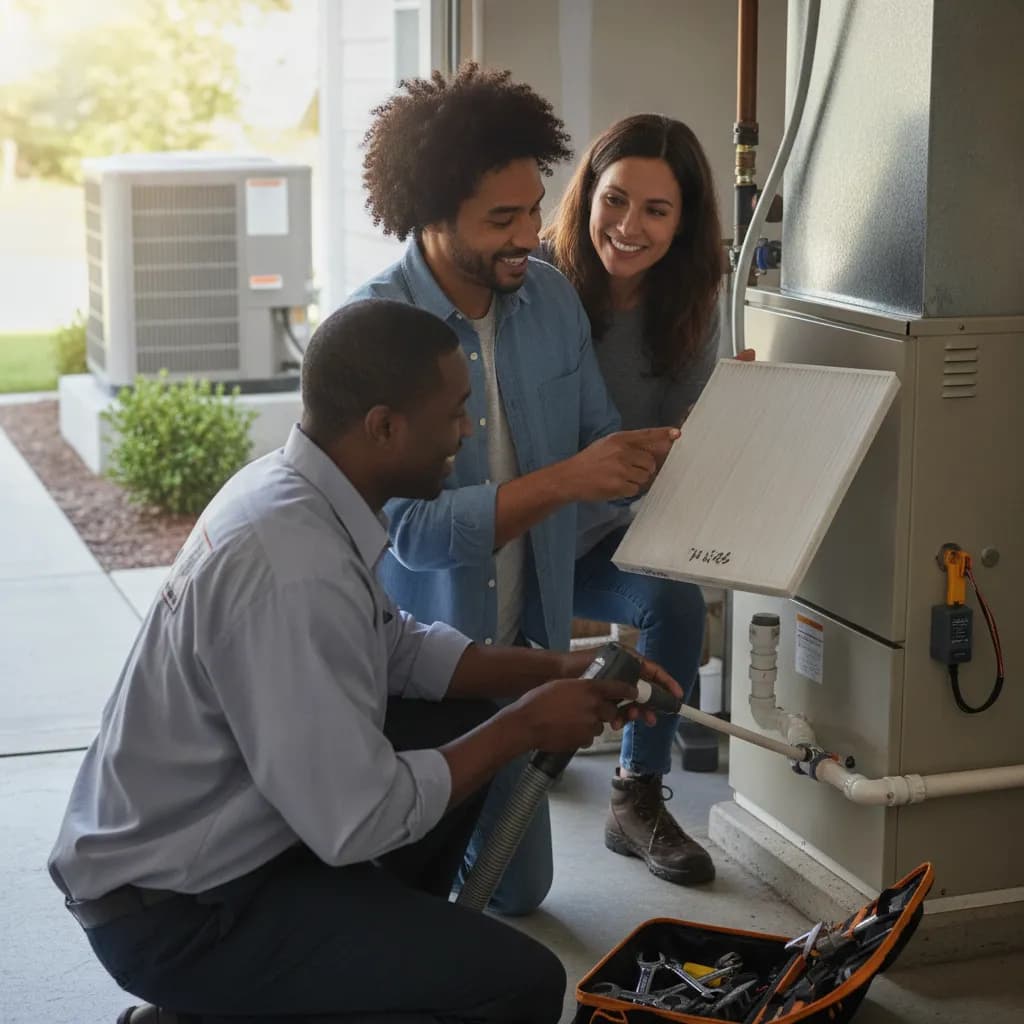
Think about it: what other machine in your home runs for thousands of hours a year, through blazing summers and freezing winters? Your Heating, Ventilation, and Air Conditioning (HVAC) system is the undisputed workhorse of your house. Yet, for most homeowners, maintenance starts and ends with swapping out a dirty filter every few months.
That's a great start, but it's like only changing the oil in your car and never checking the tires, brakes, or transmission fluid. A neglected HVAC system doesn't just fail; it slowly bleeds you dry with high energy bills and poor performance before the final, expensive breakdown.
But a little proactive care—a combination of simple DIY tasks and an annual professional tune-up—can add years to your system's life, slash your utility costs, and save you from a panicked, no-heat call in the middle of a blizzard.
These are the simple tasks every homeowner can and should do to keep their system running smoothly between professional visits.
1. Master the Air Filter Yes, we have to start here because it's that important. A clogged filter restricts airflow, forcing your system to work harder, which drives up energy costs and can cause the system to overheat or freeze up.
2. Clear the Outdoor Unit (The Condenser/Heat Pump) Your outdoor unit needs to breathe. Its job is to exchange heat with the outside air, and it can't do that if it's suffocating.
3. Inspect the Condensate Line In cooling mode, your system pulls moisture from the air, which drains away through a PVC pipe. If this line clogs with algae and gunk, the water will back up and can cause significant water damage.
While your DIY tasks are crucial, they can't replace a professional's annual service. This is where a trained technician uses specialized tools to check the complex components of your system. An annual tune-up is the single best way to catch small problems before they become catastrophic failures.
Here’s what a comprehensive tune-up should include:
Ignoring your HVAC system is a gamble. You might save a hundred dollars by skipping a tune-up this year, but you're betting against a $1,500 repair bill or, worse, a $10,000+ system replacement down the line. Treat your home's hardest worker with a little respect, and it will pay you back for years to come.
It's easy to forget about your HVAC system until it stops working. Juggling seasonal maintenance reminders, saving for eventual replacements, and keeping track of service records can feel like a full-time job. That's where Properteer comes in.
Properteer is your digital home management partner. You can log the age and service history of your HVAC system, get smart alerts reminding you when it's time to change the filter or schedule your annual professional tune-up, and plan for future replacement costs. Stop reacting to expensive emergencies and start proactively managing your home's most critical systems. Visit Properteer.ai to see how you can take control of your home maintenance and protect your biggest investment with confidence.
