Posted On: Nov 2, 2026
Author: Jason H.
maintenance checklists budgeting
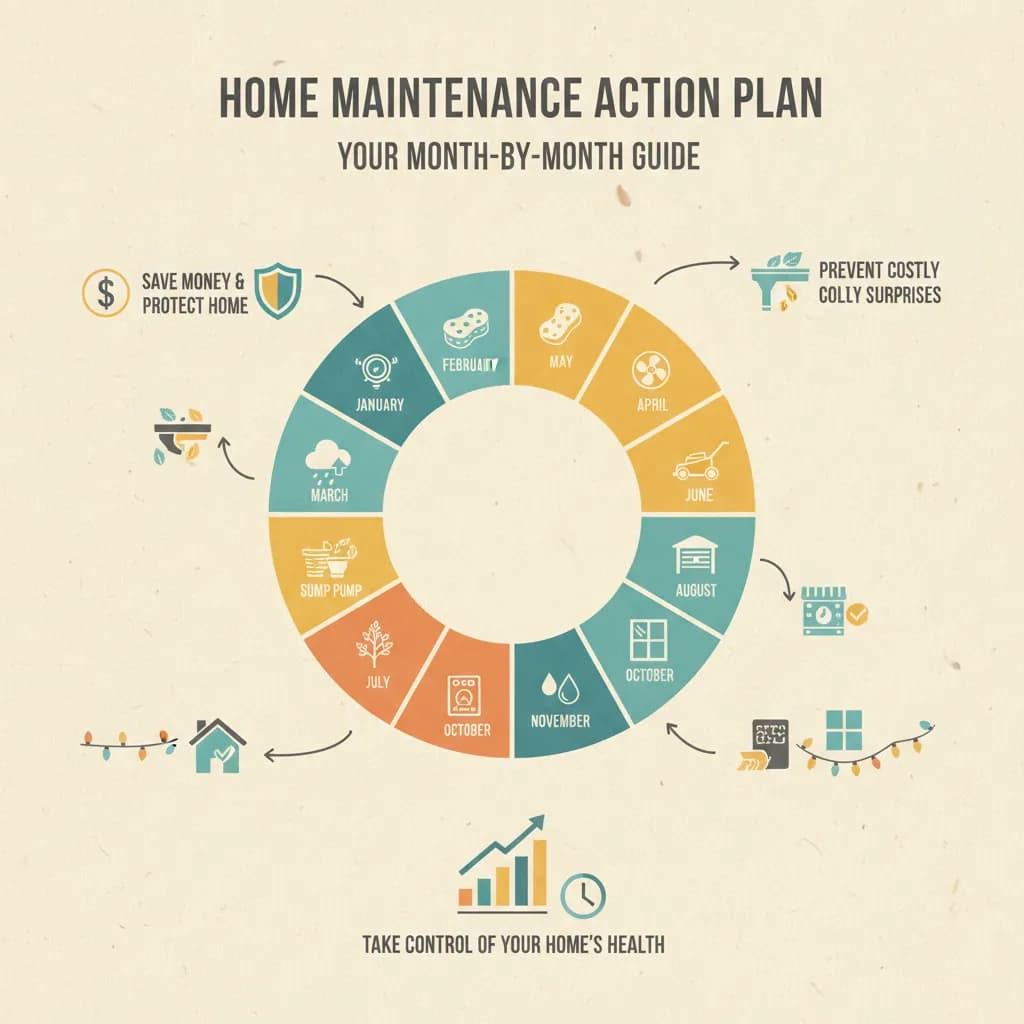
Welcome to homeownership! It’s an exciting journey, but it comes with a to-do list that can feel a mile long. The constant worry about what you should be doing—and when—can be overwhelming. You've heard about cleaning gutters, servicing the furnace, and checking for leaks, but how do you keep track of it all? How do you turn a mountain of tasks into a manageable molehill?
This is where a proactive, calendar-based approach changes everything. Instead of reacting to problems as they happen, you can stay ahead of them with a simple, month-by-month plan. This guide is your year-round roadmap. We’ve broken down the entire year into small, actionable steps that prevent small issues from becoming five-figure disasters. Forget the anxiety of the unknown; it's time to take control and confidently protect your biggest investment.
With the holidays over and cold weather keeping you inside, January is the perfect month to focus on your home's interior health, safety systems, and planning for the year ahead.
Testing your smoke and carbon monoxide detectors is a critical safety task you should perform monthly to ensure they are functioning correctly. These devices are your first line of defense against fire and silent, deadly gas, but their batteries can fail and sensors can degrade. To test them, press and hold the 'test' button on each unit until the alarm sounds. If a detector chirps intermittently, replace the batteries immediately. Remember that detectors don't last forever; check for a manufacture or expiration date on the back. A detector is typically good for 8-10 years. If yours are older, replacing them is a non-negotiable safety upgrade.
Cleaning your appliance filters is a simple task that improves efficiency, extends their lifespan, and even improves your home's air quality. Your dishwasher, range hood, and HVAC system all have filters that trap grease, dust, and debris. A clogged dishwasher filter can leave your dishes dirty and cause drainage issues. A greasy range hood filter is a fire hazard and less effective at removing cooking odors and smoke. And most importantly, a dirty HVAC filter restricts airflow, forcing your system to work harder, which drives up energy bills and can lead to premature failure. Check each filter and clean or replace it according to the manufacturer's instructions—typically every 1-3 months for your HVAC filter.
Creating a dedicated home maintenance budget is the single best way to avoid the financial shock of unexpected repairs. Use this quiet month to plan ahead. A common rule of thumb is to save 1-3% of your home's value annually for maintenance and repairs. For a $400,000 home, that's $4,000-$12,000 per year, or about $330-$1,000 per month. Look at the expected lifespans of your major systems—roof (20-30 years), HVAC (15-20 years), water heater (10-12 years)—and calculate how much you need to save each year to be ready for their eventual replacement. This turns panic into a predictable plan.
February is another great indoor month. Use this time to tackle some deep-cleaning tasks that double as important inspections for your home’s plumbing and ventilation systems.
Proactively cleaning your drains prevents clogs and foul odors before they start. You don't need harsh chemical drain cleaners. For most minor buildups, a combination of boiling water, baking soda, and vinegar can break down grease and soap scum effectively. Pour about a half cup of baking soda down the drain, followed by a half cup of white vinegar. Let it fizz and sit for 15-30 minutes, then flush thoroughly with several pots of boiling water. This simple, non-toxic maintenance can save you the hassle and cost of calling a plumber for a stubborn clog.
Cleaning your faucet aerators and shower heads is a quick fix for low water pressure caused by mineral buildup. Over time, tiny particles of calcium and magnesium (hard water) can clog the small holes in these fixtures. Simply unscrew the aerator or shower head, soak it in a bowl of white vinegar for a few hours or overnight, and then use a small brush (an old toothbrush works great) to scrub away the loosened deposits. This not only restores your water pressure but also helps the fixtures last longer.
A slow, hidden leak is one of the most destructive forces in a home, leading to rot, mold, and expensive structural damage. Take five minutes this month to inspect the plumbing in your kitchen and bathrooms. Use a flashlight to check the cabinets under every sink for drips, water stains, or a musty smell. Examine the base of your toilets for any signs of water pooling and check that they are firmly secured to the floor (a wobbly toilet can break its wax seal, causing a leak). Catching a small leak early can save you from a multi-thousand-dollar remediation project down the road.
As the weather begins to warm up, it's time to turn your attention to the systems that protect you from spring rains and prepare your home for the warmer months ahead.
Testing your sump pump is a crucial step to prevent a flooded basement during heavy spring showers. Your sump pump is your last line of defense against groundwater intrusion, and you need to know it will work when you need it most. To test it, slowly pour a few gallons of water into the sump pit. The float should rise with the water level and trigger the pump to turn on, expelling the water through the discharge pipe. If it doesn't activate, check that it's plugged into a working GFCI outlet. If it still doesn't work, it's time to call a plumber—before the storm hits.
A quick visual inspection of your roof and attic can help you spot winter damage before it leads to major leaks. You don't need to get on a ladder to do a useful check. From the ground, use binoculars to look for any missing, cracked, or curling shingles. Pay close attention to the flashing around the chimney, vents, and skylights. Afterwards, take a trip to your attic on a sunny day. With the lights off, look for any pinpricks of daylight coming through the roof—a sure sign of a hole. Also, scan for any water stains or dark spots on the underside of the roof sheathing.
Your air conditioner's outdoor condenser unit needs at least two feet of clear space around it to function efficiently. Throughout the winter, leaves, dirt, and branches can accumulate around the unit, blocking airflow. Restricted airflow forces the system to work harder, increasing your energy consumption and putting unnecessary strain on the compressor, the most expensive component. Simply clear away any debris and gently hose down the fins (from top to bottom) to remove any caked-on dirt or cottonwood fluff. This simple cleaning can improve your AC's efficiency by up to 15%.
April's mild weather makes it the ideal time to tackle a full exterior cleaning and inspection. This isn't just about curb appeal; it's about protecting your home's primary defenses.
Clogged gutters are the number one cause of water damage to your foundation, siding, and roof. When gutters are full of leaves and debris, rainwater has nowhere to go but over the sides, where it pools against your foundation, or under your roof eaves, causing rot. After the last of the winter debris has fallen, scoop everything out by hand (wear gloves!) and flush the gutters and downspouts with a hose to ensure they are flowing freely. This twice-a-year task (do it again in the fall) is arguably the highest-impact maintenance you can perform to prevent catastrophic water damage.
Washing your home's exterior removes corrosive dirt and grime and gives you a chance to spot potential problems. A gentle wash with a hose or a light-duty pressure washer can remove the layer of pollen, dust, and pollution that has built up. As you clean, inspect your window screens for any rips or tears and repair or replace them to keep bugs out this summer. On your siding, look for any cracked boards, peeling paint, or damaged mortar on brick exteriors. These are entry points for water and pests that are best addressed early.
Winter's freeze-thaw cycles can wreak havoc on your home's hardscaping, creating cracks and safety hazards. Walk your deck, patio, and driveway and look for any new damage. On a wooden deck, look for loose boards, popped nails, or signs of wood rot. For concrete or asphalt driveways and patios, look for new cracks. Small cracks can often be sealed with a DIY filler product from a home improvement store to prevent water from getting in, freezing, and making the crack much larger. A small $20 repair now can prevent a $5,000 driveway replacement later.
With spring in full swing, May is all about preparing your yard for the growing season and reinforcing your home's defenses against unwanted pests.
Properly maintaining your lawn equipment ensures it starts when you need it and performs effectively all season long. For your lawn mower, this is the time to change the oil, replace the spark plug, and clean the air filter. Most importantly, sharpen the mower blade. A dull blade tears grass instead of cutting it, leaving it susceptible to disease and browning. For your other garden tools, take a moment to clean off any rust, sharpen the edges of shovels and hoes, and apply a light coat of oil to prevent future corrosion.
Tuning up your sprinkler system prevents wasted water and ensures your lawn and plants get the hydration they need without over-saturating areas near your foundation. Turn on your system and walk through each zone. Look for any broken or clogged sprinkler heads and adjust any that are spraying onto your house, driveway, or sidewalk. Now is also the time to set your watering schedule. Program it to run in the early morning hours to minimize evaporation and ensure water is absorbed into the soil effectively.
Preventing pests from entering your home is far easier and cheaper than dealing with an infestation. Take a slow walk around the perimeter of your house and look for any potential entry points. Pay close attention to where utilities like pipes, wires, and faucets enter the home. Seal any small cracks or gaps with caulk or expanding foam. Ensure that any vents leading into your crawlspace or attic have secure screens over them. This simple perimeter check is your best defense against ants, mice, and other unwelcome guests.
As summer heat arrives, your focus should shift to keeping your home cool efficiently and preventing some of the most common—and devastating—household hazards.
A clogged dryer vent is one of the leading causes of house fires, and it also makes your dryer work harder and less effectively. The lint trap doesn't catch everything; a significant amount of lint builds up in the flexible duct behind the dryer and in the rigid ducting that runs to the exterior vent. At least once a year, disconnect the duct from the back of the dryer and use a specialized vent brush kit to clean out the entire line. You will be shocked by how much lint comes out. This not only dramatically reduces your fire risk but will also help your clothes dry faster, saving energy.
Setting your ceiling fans to rotate counter-clockwise in the summer creates a downdraft that provides a cooling breeze. This simple switch can make a room feel several degrees cooler, allowing you to raise your thermostat setting and save money on AC costs. Before you flip the switch (usually located on the motor housing), take the time to clean the fan blades. A dusty fan blade flings allergens and dirt all over the room the first time you turn it on for the season.
Clear window wells are essential for both emergency egress and preventing water from pouring into your basement. Over the year, leaves, dirt, and debris can collect in your window wells, clogging the drain at the bottom. When a heavy summer thunderstorm hits, a clogged well can fill with water like a bathtub, with the pressure eventually breaking your window and flooding your basement. Scoop out all debris and test the drain by pouring a bucket of water into the well to ensure it drains away quickly.
July is the midpoint of summer, a perfect time for a quick check-in on key systems that are working hard to keep your home comfortable and safe.
A leaky outdoor spigot or garden hose can waste hundreds of gallons of water and go unnoticed for weeks. Check each of your outdoor spigots (hose bibs) for any drips when they are turned off. Inspect your garden hoses for any cracks or worn-out seals at the connection points. A constant drip, even a small one, will be reflected on your water bill and can also lead to moisture problems if it's dripping against your home's foundation.
A faulty garage door is a serious safety hazard, and testing its safety features takes less than a minute. The auto-reverse mechanism is designed to prevent the door from crushing a person or object. First, test the photoelectric sensors by starting to close the door and then waving an object (like a broom handle) in the path of the beam near the floor. The door should immediately reverse. Next, test the pressure sensor by placing a 2x4 board flat on the ground in the door's path. When the door touches the board, it should automatically reverse. If it fails either test, disconnect the opener and operate the door manually until it can be professionally serviced.
Dirty refrigerator coils can cause your fridge to run constantly, wasting energy and shortening the life of the compressor. The condenser coils, typically located on the back or bottom of the refrigerator, are responsible for releasing heat. When they are covered in dust, pet hair, and dirt, they can't do their job efficiently. Unplug the refrigerator, pull it away from the wall, and use a vacuum cleaner with a brush attachment to gently clean the coils. This 15-minute task can significantly improve your refrigerator's performance and lower your electricity bill.
As summer winds down, August is about staying on top of cooling efficiency and preparing your property for the potential of late summer storms.
Overhanging branches can damage your roof and siding, provide a highway for pests, and pose a threat during high winds. Take a walk around your property and identify any tree limbs that are touching or hanging over your roof. These can scrape and damage shingles and act as a bridge for animals like squirrels and raccoons to access your attic. Additionally, prune any shrubs or bushes that are growing against your siding. Plants trap moisture against the house, which can lead to rot and provide a haven for insects.
The seals around your windows, doors, and utility entry points are a critical barrier against water, air, and pests. Intense summer sun can cause caulk to dry out, crack, and pull away from the surface, creating gaps. Visually inspect all exterior seams. If you see cracked or failing caulk, use a utility knife to scrape out the old material and apply a fresh bead of high-quality, exterior-grade silicone caulk. This is a cheap and easy way to prevent costly water damage and improve your home's energy efficiency.
The end of summer often brings a higher risk of severe weather, like hurricanes or thunderstorms that can cause power outages. Now is a good time to check your family's emergency kit. Make sure your flashlights have fresh batteries, your first-aid kit is fully stocked, and you have a supply of non-perishable food and water. If you have a portable generator, start it up to ensure it's in good working order and you have fuel safely stored for it. Being prepared can turn a potential crisis into a manageable inconvenience.
September marks the transition to fall. It's time to schedule professional tune-ups for your heating systems and take care of the equipment that served you all summer.
Having your furnace or boiler professionally serviced before you need it is the best way to ensure it runs safely and efficiently all winter. A technician will clean the components, check for any carbon monoxide leaks, test the safety controls, and ensure the system is ready for the heating season. This preventative maintenance is a small investment (typically $100-$300) that can prevent a no-heat emergency on the coldest night of the year and extend the life of your expensive HVAC system.
If you have a wood-burning fireplace, an annual chimney inspection and cleaning is a non-negotiable safety requirement. Burning wood creates creosote, a highly flammable substance that builds up on the inside of your chimney flue. A professional chimney sweep will remove this dangerous buildup and inspect the chimney's structure for any cracks or damage that could pose a fire hazard. The National Fire Protection Association recommends an annual inspection to keep your home and family safe.
Properly storing your summer equipment protects it from winter damage and ensures it's ready to go next spring. Before the first freeze, disconnect your garden hoses, drain them completely, and store them in a garage or shed. Water left in a hose can freeze and expand, ruining the hose. If you have an outdoor irrigation system, now is the time to have it professionally winterized (blown out with compressed air) to prevent pipes from bursting. Clean your patio furniture and either store it indoors or cover it with a durable, waterproof cover.
October is your last chance to prepare your home's exterior for the harsh realities of winter. The focus is on sealing out the cold and preventing frozen pipes.
Air leaks are a major source of energy loss, and sealing them is one of the most cost-effective ways to lower your heating bills. On a breezy day, you can often feel drafts around windows and doors. For gaps around window and door frames, apply a fresh bead of caulk. For the moving parts of doors and windows, use weatherstripping. This simple DIY project can save you 10-20% on your heating and cooling costs and make your home significantly more comfortable.
A frozen pipe is a homeowner's winter nightmare, and outdoor spigots are the most common culprits. To prevent this, you must shut off the water supply to each exterior faucet. Look for an indoor shut-off valve in your basement or crawlspace along the same wall as the outdoor spigot. Close this valve, then go outside and open the spigot to drain any remaining water from the pipe. Leaving the outdoor spigot open all winter ensures that if any water remains, it has a place to expand without bursting the pipe. For extra protection, use an inexpensive foam faucet cover.
Proper attic insulation and ventilation are key to preventing ice dams and keeping your home warm. An ice dam is a ridge of ice that forms at the edge of a roof, preventing melting snow from draining. The water backs up behind the dam and can leak into your home. This is caused by a warm attic melting the snow on the roof. Visually inspect your attic insulation to ensure it's evenly distributed and doesn't block the soffit vents at the eaves. These vents allow cold air to circulate, keeping the attic temperature consistent and preventing the snow from melting in the first place.
With cold weather setting in, November is about final preparations for spending more time indoors and ensuring your home is efficient and organized for the winter months.
Your refrigerator works harder when the house is warmer in the winter, so a second cleaning of the coils is a smart move. Just like in July, vacuuming the condenser coils improves efficiency. While you're at it, check the drip pan located underneath the refrigerator. This pan collects condensation and can become a breeding ground for mold and foul odors if not cleaned periodically. Gently remove the pan (consult your owner's manual), wash it with soap and water, and dry it completely before replacing it.
Properly storing your lawn mower prevents fuel system damage and ensures an easy start in the spring. The ethanol in modern gasoline can gum up the carburetor if left to sit for months. The best practice is to either run the mower until it's completely out of fuel or to add a fuel stabilizer to a full tank and run the engine for a few minutes to circulate it. This prevents the fuel from degrading and causing problems. Give the mower one last cleaning to remove caked-on grass and store it in a dry, protected space.
An organized garage makes winter life much easier, ensuring you can find snow shovels and access your car without climbing over summer clutter. Take a few hours to put away summer gear and bring winter supplies to the front. This is also the perfect time to test your snow blower before the first major snowfall. Add fresh, stabilized fuel, check the oil, and start it up to make sure it's running properly. There's nothing worse than discovering your snow blower won't start when you have a foot of snow to clear.
December is often a busy month, so the focus is on safety during the holidays and reflecting on the year to plan for the next.
Holiday decorations, especially lights, are a common source of house fires during the winter. Before you hang any lights, carefully inspect each strand for cracked bulbs, frayed wires, or broken sockets. Don't overload electrical outlets; use power strips with built-in circuit breakers and only use lights and extension cords that are rated for outdoor use when decorating outside. When you go to bed or leave the house, turn off all your holiday lights to be safe.
Even if you had your chimney cleaned in the fall, it's wise to perform a quick visual check before heavy holiday use. Open the fireplace damper and use a bright flashlight to look up the flue for any visible obstructions like an animal's nest that may have been built since your cleaning. Make sure the damper opens and closes smoothly. This final check ensures your holiday fires will be safe and cozy.
A year-end review of your home maintenance expenses helps you budget more accurately for the future. Look back at what you spent on repairs and maintenance this year. Were there any surprises? Did you stick to your budget? Use this information to refine your savings plan for the upcoming year. This is also a great time to schedule major projects you've been planning, as many contractors have more availability during the winter months.
This table provides estimated time commitments and costs for key maintenance tasks. DIY costs typically include materials, while Pro costs are national averages for professional service and can vary significantly by location.
| Task | Frequency | Avg. DIY Time | Avg. DIY Cost | Avg. Pro Cost | Potential Savings (Pro vs. DIY) | | ------------------------- | -------------- | ---------------- | ------------- | ------------------- | ------------------------------- | | HVAC Filter Replacement | Every 1-3 Mos. | < 15 minutes | $15 - $40 | N/A | N/A | | Gutter Cleaning | 2x / Year | 2 - 4 hours | $5 - $20 | $120 - $225 | $115 - $205 | | Professional HVAC Tune-Up | 1x / Year | N/A | N/A | $100 - $300 | N/A (Pro Recommended) | | Chimney Sweep & Inspect | 1x / Year | N/A | N/A | $150 - $400 | N/A (Pro Recommended) | | Dryer Vent Cleaning | 1x / Year | 1 hour | $20 - $45 | $100 - $180 | $80 - $135 | | Seal Air Leaks (Caulk) | As Needed | 2 - 5 hours | $25 - $50 | $250 - $700 | $225 - $650 | | Test Sump Pump | 2x / Year | < 30 minutes | $0 | N/A | N/A | | Clean Refrigerator Coils | 2x / Year | < 30 minutes | $0 | $75 - $150 | $75 - $150 | | Winterize Sprinkler System| 1x / Year | N/A | N/A | $75 - $150 | N/A (Pro Recommended) |
Disclaimer: Cost data is based on 2023-2024 national averages from sources like HomeAdvisor, Angi, and Forbes Home. Actual costs will vary based on your location, home size, and the specifics of the job.
Q1: This list is still overwhelming. What are the absolute most important tasks? If you can only do a few things, focus on water and fire prevention. This means: 1) Clean your gutters twice a year to prevent foundation and roof damage. 2) Test your smoke and CO detectors monthly and replace them every 10 years. 3) Clean your dryer vent annually to prevent fires. 4) Know where your main water shut-off valve is in case of a burst pipe.
Q2: How much should I really budget for home maintenance? The 1% rule (budgeting 1% of your home's value per year) is a good starting point, but it can be misleading. For older homes or homes in harsh climates, 2-4% is more realistic. The best way is to create a personalized budget based on the age of your home's major components (roof, HVAC, etc.) and save for their eventual replacement.
Q3: Can I do all of these tasks myself? Many tasks on this list, like changing filters and cleaning gutters (if you're comfortable on a ladder), are great DIY projects. However, tasks involving gas appliances (HVAC tune-up), complex electrical work, or significant safety risks (chimney sweeping) are best left to licensed and insured professionals.
Q4: What happens if I skip a month? Skipping one month isn't the end of the world. This calendar is a guide, not a strict rulebook. The key is the principle of proactivity. If you miss cleaning your faucet aerators in February, you can do it in March. But don't let seasonal tasks, like winterizing your pipes in October, slide. Delaying critical tasks can lead directly to damage.
Q5: What are the basic tools I need for these tasks? A good starter homeowner's toolkit should get you through most of these. Key items include a set of screwdrivers, a wrench set, pliers, a cordless drill, a caulking gun, a sturdy ladder, and safety gear like gloves and eye protection. For specific tasks like dryer vent cleaning, you can buy an inexpensive brush kit.
This monthly calendar is a powerful tool, but let's be honest—life gets busy. It's easy to forget when you last changed your furnace filter or when you're supposed to schedule that HVAC tune-up. You can try to manage it with spreadsheets and calendar reminders, but that's just another chore on your already-packed to-do list.
That's exactly why we built Properteer.
Properteer takes the guesswork and anxiety out of home maintenance. Instead of a static checklist, Properteer creates a dynamic, personalized plan for your specific home. It automatically tracks the age and lifespan of your core components—from your water heater to your roof—so you know exactly what needs attention and when. It sends you timely reminders for monthly tasks, helps you budget for future replacements, and securely stores all your home's information in one place.
Stop trying to memorize a maintenance calendar. Let Properteer be your home's new brain, turning this guide into an effortless, automated action plan. You'll save money, prevent disasters, and gain the peace of mind that comes from being a truly proactive homeowner. Sign up for Properteer today and transform how you care for your home.
