Posted On: Sep 14, 2026
Author: Jason H.
pest-control home-maintenance diy
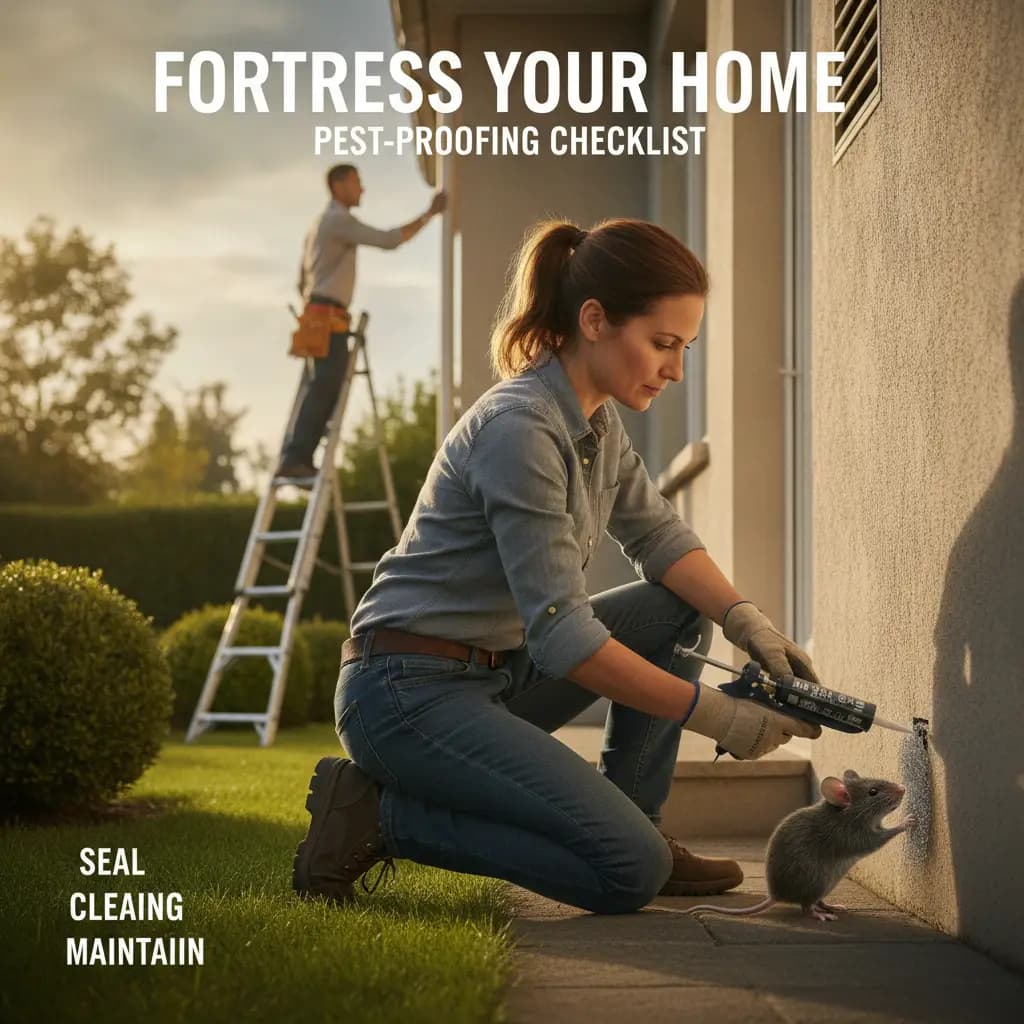
Of all the surprises that come with homeownership, few are as unsettling as finding an uninvited guest—the eight-legged, six-legged, or furry kind. Pests aren't just a nuisance; they can cause serious structural damage, trigger allergies, and pose health risks to your family.
Many homeowners think of pest control as something you do after you find a problem. But the most effective approach isn't a reaction; it's a proactive defense. Just like you clean your gutters to prevent water damage, you should pest-proof your home to prevent an infestation. It's one of the most cost-effective maintenance tasks you can perform.
Forget complicated chemicals and traps for a moment. Effective, long-term pest prevention boils down to three simple principles. Pests need three things to thrive: food, water, and shelter. Your goal is to deny them all three.
A mouse can squeeze through a hole the size of a dime, and insects can find even smaller gaps. Your home's first and best line of defense is a sealed exterior. It's time to take a walk around your property with a critical eye.
If you make your home a five-star restaurant for pests, they will find a way in. The key is to make your property as unappealing as possible.
Proactive DIY maintenance can prevent 90% of pest problems. However, some situations are best left to professionals. You should call a licensed exterminator if you see:
A proactive pest-proofing inspection is a perfect task to do each spring and fall. But it's easy to forget amidst the dozens of other things your home needs. That’s where a plan becomes essential.
This is why we built Properteer. Instead of trying to remember every single maintenance task, Properteer builds a personalized plan for your home. It sends you smart alerts for critical tasks like your semi-annual pest inspection, checking your window seals, or cleaning your gutters. It helps you track your home's health, budget for future repairs, and manage your biggest investment with confidence. Stop reacting to problems and start preventing them.
Try Properteer today and turn your home into the safe, secure fortress it was meant to be.
Q: What are the most common ways pests get into a home? A: The most common entry points are unsealed gaps where utilities enter the house, cracks in the foundation, torn window screens, and worn-out weather stripping under doors. Even small gaps are big enough for many insects and even some rodents.
Q: How can I pest-proof my kitchen? A: The three keys to a pest-proof kitchen are to store all food (including pet food) in airtight containers, clean up all crumbs and spills immediately after they happen, and fix any leaky faucets or pipes to eliminate water sources.
Q: When should I call a professional exterminator instead of trying to fix it myself? A: You should call a pro immediately if you see any signs of termites or other wood-destroying insects like carpenter ants. You should also call for a widespread infestation (e.g., seeing pests in multiple rooms) or for dangerous pests like hornets or venomous spiders, where safety is a primary concern.
Q: Is it really effective to use steel wool to block holes? A: Yes, it's one of the best DIY materials for pest exclusion. Rodents and other pests cannot chew through the abrasive steel fibers. For a permanent fix, pack the hole tightly with steel wool and then seal over it with caulk or expanding foam.