Posted On: Aug 12, 2026
Author: Jason H.
maintenance plumbing water-damage
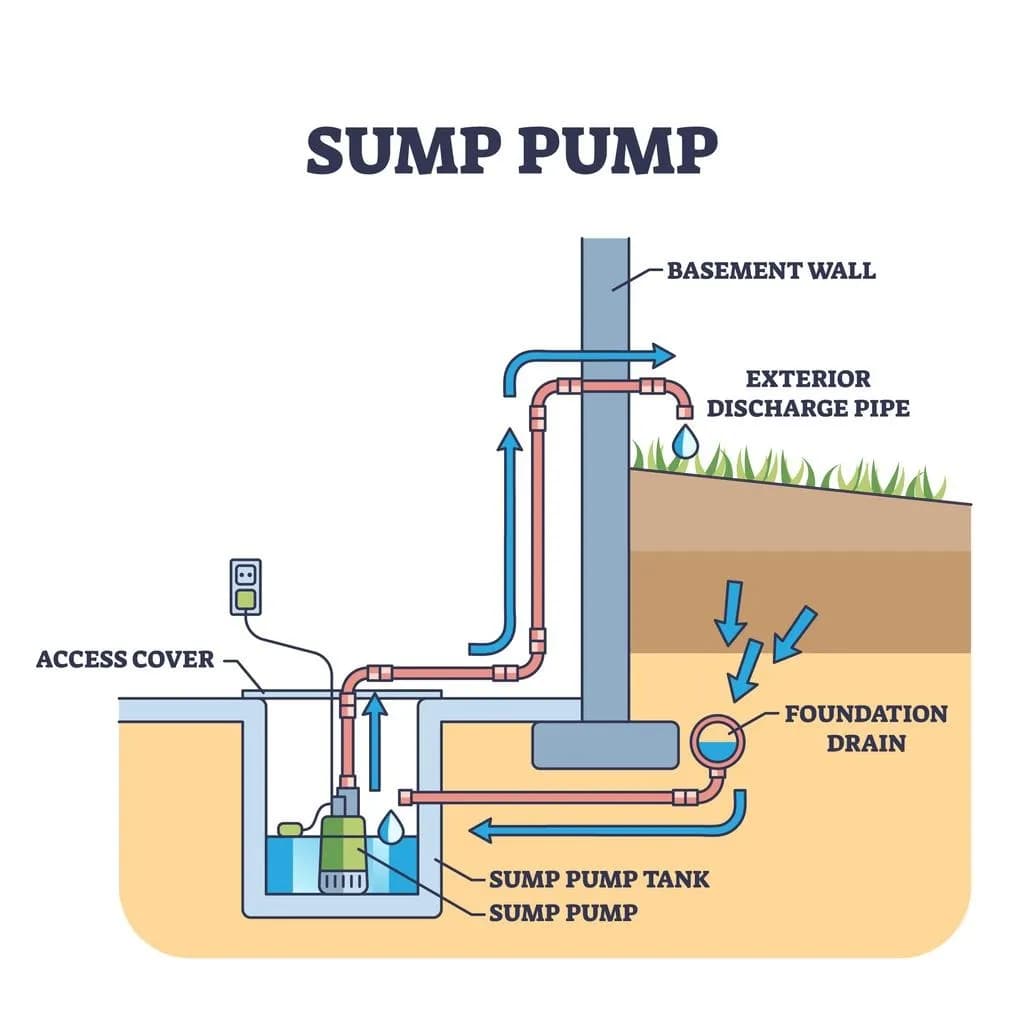
That rumble of thunder in the distance can be a relaxing sound—unless you’re a homeowner with a basement. Then, it can be a source of major anxiety. You start wondering: Is the basement going to stay dry? Is that little pump in the corner of the basement actually going to do its job?
Your sump pump is the unsung hero of your home, a silent guardian against thousands of dollars in water damage. But like any hero, it needs a little support. Most homeowners ignore it until it’s too late. This guide will ensure you’re not one of them.
Think of it as your personal, automated flood-prevention system. It sits in a specially constructed pit (the “sump” or “basin”) in the lowest part of your basement or crawlspace. As groundwater levels rise around your foundation, the water is channeled into this pit.
When the water in the pit reaches a certain level, it lifts a float switch (much like the one in your toilet tank). This switch activates the pump, which then forces the water out of the pit, through a discharge pipe, and away from your home’s foundation. When the water level drops, the switch deactivates the pump. Simple, yet brilliant.
A sump pump can fail for many reasons: a power outage, a stuck switch, or simple mechanical failure. Finding out it's broken during a torrential downpour is the worst-case scenario. That's why you should test it every quarter, and especially before the start of the rainy season.
It’s a simple, 5-minute test:
If the pump doesn't turn on, runs continuously, or makes grinding noises, you have a problem that needs to be addressed before the next storm.
Beyond testing, a few maintenance tasks will dramatically extend your pump’s lifespan and reliability.
The biggest weakness of a standard sump pump? It needs electricity. Storms that cause flooding often cause power outages. A battery backup system is your ultimate insurance policy. This secondary, battery-powered pump sits in the pit alongside your main pump and automatically takes over if the power fails or if the primary pump can’t keep up with incoming water. It’s a worthwhile investment for total peace of mind.
Remembering to test your sump pump, clean your gutters, or budget for a new water heater can be overwhelming. You're busy, and it's easy for these crucial tasks to fall through the cracks. That’s where Properteer comes in.
Properteer is the digital homeowner's manual you've always needed. It helps you understand exactly what your home needs and when. The app creates a personalized maintenance calendar, sending you smart alerts for tasks like testing your sump pump before the rainy season begins. It also helps you build a financial plan for the future, forecasting the replacement cost of major systems—like that sump pump—so you can save proactively instead of reacting to an emergency. Stop feeling overwhelmed and start taking confident control of your home. Learn more at Properteer.ai and protect your biggest investment, one smart task at a time.
How often should I test my sump pump?
You should test it at least quarterly. It's also wise to test it before your area's heavy rain or snowmelt season begins, so you can be sure it's ready when you need it most.
What is a battery backup sump pump, and do I need one?
A battery backup is a secondary, smaller pump that runs on a deep-cycle battery. It automatically activates if the power goes out, which is common during severe storms. If your basement is finished or you store valuable items there, a battery backup is a highly recommended investment.
Where does the sump pump water go?
The water is pushed through a discharge pipe that leads outside your home. The pipe should release the water at least 10 feet away from your foundation, on a downward slope, to ensure it doesn't just seep back into the ground and around your foundation again.
My sump pump runs constantly, even when it's not raining. What's wrong?
This could be a few things. You might have a stuck or faulty float switch, a broken check valve that is allowing water to flow back into the pit, or an undersized pump that can't keep up with a high water table. It's best to have a professional plumber diagnose the issue.