Posted On: Oct 15, 2024
Author: Unknown
home maintenance older homes
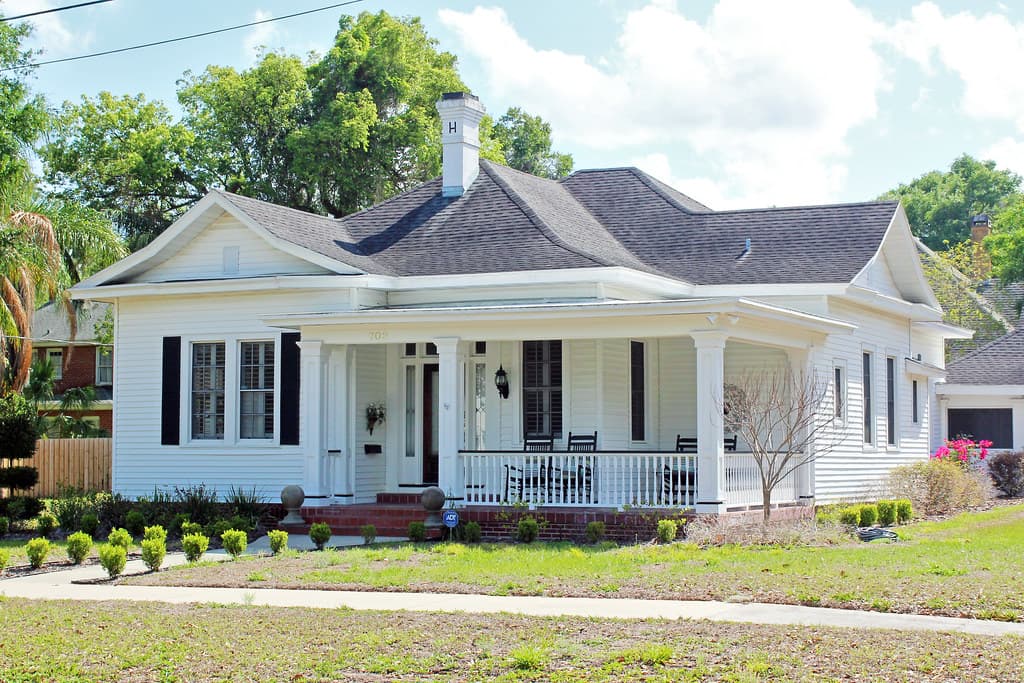
Owning an aging home comes with its unique set of joys and challenges. From the nostalgic charm of vintage architecture to the quirks that come with older structures, these homes offer a distinct living experience. However, maintaining an older home requires careful financial planning. Here are some ways you can effectively budget and manage your finances to ensure your aging home remains a beloved sanctuary without breaking the bank.
Before diving into budgeting, it’s crucial to understand the current state of your home. Hire a professional to conduct a thorough inspection. This will help you identify potential issues such as structural damage, outdated wiring, plumbing problems, or roof wear and tear. Knowing what you’re up against allows you to prioritize and plan accordingly.
Regular maintenance is key to preventing minor issues from turning into major, costly repairs. Develop a maintenance schedule that includes routine checks and services. For example, inspect the roof annually, clean gutters seasonally, and service HVAC systems bi-annually. Consistent upkeep extends the life of your home’s components and helps you avoid surprise expenses.
Older homes can be unpredictable. Establishing an emergency fund specifically for home repairs is essential. Aim to save at least 1-3% of your home’s value annually. This fund will be your financial cushion for unexpected repairs, such as a sudden plumbing leak or electrical failure.
Not all repairs and upgrades can be done at once, especially if you’re on a tight budget. Prioritize projects based on urgency and impact on your home’s safety and efficiency. For instance, fixing a leaky roof should come before renovating a kitchen. Make a list of necessary repairs and desired upgrades, and tackle them systematically.
Sometimes, essential repairs require immediate attention and can be costly. Explore financing options such as home equity loans, personal loans, or even specialized repair grants for older homes. Ensure you understand the terms and have a clear plan for repayment to avoid financial strain.
Older homes often lack modern energy efficiency, leading to higher utility bills. Investing in energy-efficient upgrades can save you money in the long run. Consider installing energy-efficient windows, upgrading insulation, or replacing old HVAC systems. While these improvements require upfront costs, they reduce monthly utility expenses and increase your home’s value.
Purchasing a home warranty plan can be a smart move for homeowners of aging properties. These plans cover the repair or replacement of major home systems and appliances that break down due to normal wear and tear. This includes items such as HVAC systems, plumbing, electrical systems, and kitchen appliances. With a home warranty, you pay an annual premium and a service fee for each repair, which can be significantly less than the out-of-pocket costs for unexpected breakdowns. This financial safety net provides peace of mind and helps you manage repair expenses more predictably, ensuring your home remains functional and comfortable without frequent financial surprises.
While some repairs require professional expertise, many maintenance tasks can be done yourself, saving labor costs. Simple tasks like painting, minor plumbing fixes, or landscaping can be managed with a bit of research and effort. Always ensure you’re equipped with the right tools and knowledge to avoid causing more damage.
Research available tax credits and incentives for home improvements. Many governments offer rebates for energy-efficient upgrades or historic home renovations. These incentives can significantly offset costs and make necessary improvements more affordable.
Ensure your home insurance policy is up to date and adequately covers potential issues common in older homes. Discuss with your insurance agent about specific coverage for things like flooding, foundation issues, or old wiring. Adequate coverage can save you from out-of-pocket expenses in the event of damage or disaster.
For extensive renovations or major system overhauls, plan these projects over the long term. Create a multi-year plan and save gradually towards these larger goals. This approach prevents overwhelming your finances and allows for thoughtful, well-budgeted improvements.
Owning an aging home is a rewarding experience that requires mindful financial management. By conducting regular inspections, setting up an emergency fund, prioritizing repairs, and taking advantage of available resources, you can maintain and enhance your home’s charm and functionality without compromising your financial health. Embrace the process with a strategic plan, and your beloved home will continue to be a cherished space for years to come.
Properteer helps homeowners to understand their home’s needs. We help you with maintenance reminders, replacement schedules, and financial planning for when the time comes to replace or update parts of your home. Check us out!
