Posted On: Nov 9, 2026
Author: Jason H.
garage maintenance home-safety
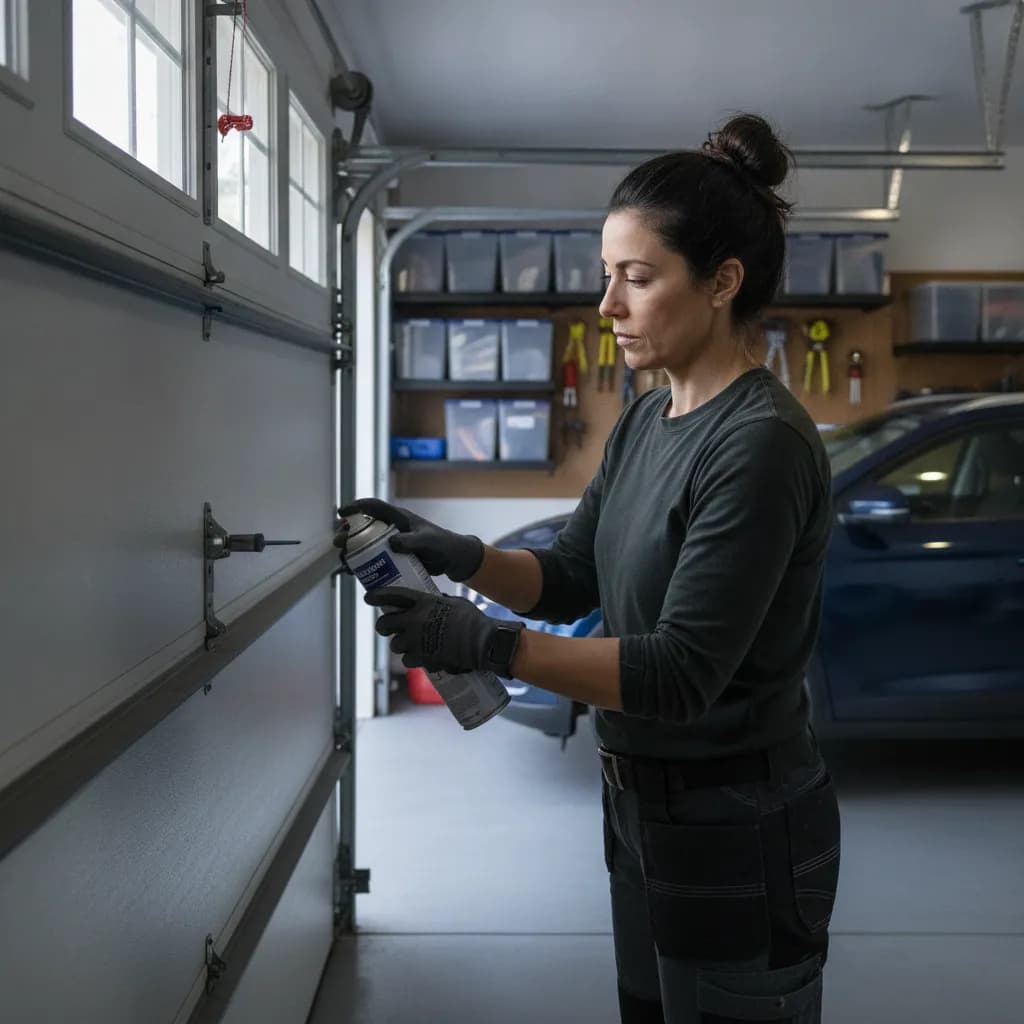
For many of us, the garage is the true front door—the main entry and exit point for our daily lives. It’s a workshop, a storage unit, and, of course, a place to park our cars. But this workhorse space is often the most neglected. We only think about the garage door when it groans, shudders, and refuses to open on a rainy morning.
Treating your garage as a core part of your home's ecosystem is key to avoiding costly and inconvenient failures. A few simple, seasonal checks can extend the life of your components, bolster your home's security, and keep your family safe. Integrating these tasks into your overall home maintenance plan turns a potential headache into a manageable routine.
Your garage door is a complex system of springs, cables, rollers, and tracks. It’s the largest and heaviest moving object in your home, and keeping it in good working order is crucial for both convenience and safety.
1. Look and Listen (Monthly)
Take a minute each month to simply watch and listen as your door opens and closes. Does it move smoothly, or does it jerk and stutter? Are there any new scraping, grinding, or squealing sounds? Often, your ears will detect a problem long before it causes a total failure. Check that cables and springs look symmetrical and aren't showing signs of rust or fraying.
2. Lubricate Moving Parts (Twice a Year)
Proper lubrication is the single best thing you can do for your door. Twice a year, use a garage door-specific lubricant (a lithium or silicone-based spray) on these key parts:
Important: Do not lubricate the tracks themselves. Grease in the tracks will attract dirt and debris, causing the rollers to gum up and slide instead of roll.
3. Perform the Balance Test (Twice a Year)
A properly balanced door reduces wear and tear on your garage door opener. To test it:
4. Test Safety Features (Monthly)
This is a non-negotiable safety check, especially if you have children or pets.
Beyond the door itself, the garage structure is a key defense for your home.
Ignoring your garage is inviting trouble. A failing opener can trap your car, a broken spring can be incredibly dangerous, and worn-out seals can lead to water damage and pest infestations. By spending just a few minutes on these tasks each season, you ensure the gateway to your home remains safe, secure, and reliable.
How do you remember to check the safety sensors or budget for a new opener years from now? Let Properteer handle it. Properteer lists your home's parts, their age and what each costs to replace, then reminds you when each is due. 30 days free, no credit card. Start your free trial
How often should I lubricate my garage door? A good rule of thumb is twice a year, typically in the spring and fall. If you live in a dusty area or use your door very frequently, you might consider doing it quarterly.
What's the most important safety test for my garage door? The auto-reverse sensor test is critical. Both the photo-eye sensors (the beams at the bottom) and the mechanical pressure reverse must be working to prevent the door from closing on a person, pet, or object.
Can I replace a broken garage door spring myself? No. This is one of the most dangerous home repairs. The springs are under extreme tension and can cause serious injury or death if they release unexpectedly. Always call a qualified garage door professional for any spring-related work.
My garage door is really noisy. What's the first thing I should do? Start by performing a thorough visual inspection and lubricating all the moving parts (except the tracks). Tighten any loose nuts and bolts on the door and track hardware. If the noise persists, it may be a sign of worn-out rollers or a problem with the opener, and it's a good idea to call for a professional inspection.
