Posted On: Nov 10, 2026
Author: Jason H.
maintenance checklist homeowner-tips
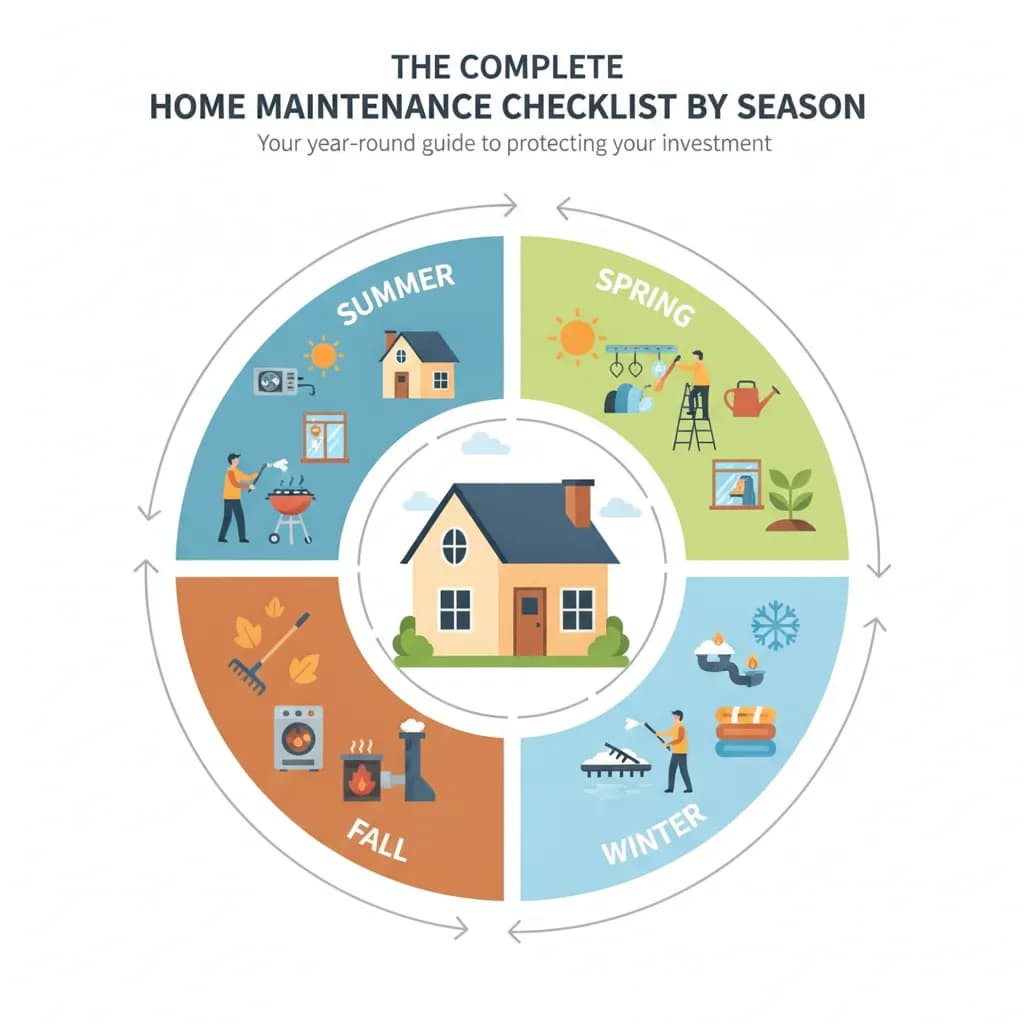
Owning a home is a significant investment, but protecting that investment goes far beyond the initial purchase. Proactive maintenance is the single most effective way to prevent small issues from turning into catastrophic, budget-breaking disasters. By aligning tasks with the seasons, you can address potential problems before they arise, from the harshness of winter to the heat of summer. This guide provides a definitive, room-by-room, system-by-system checklist to help you create a manageable and effective home maintenance plan for the entire year.
Spring is the season of renewal, and it's the perfect time to assess and repair any damage winter may have caused. This is your chance to prepare your home's exterior and cooling systems for the warmer months ahead, ensuring they operate efficiently and effectively.
Your roof should be inspected in the spring to identify any damage from winter ice, snow, and wind. Look for missing, loose, or cracked shingles, as well as any damaged flashing around vents, chimneys, and skylights. A pair of binoculars can be a safe way to get a closer look from the ground. Inside, check your attic for any signs of water stains or leaks, which could indicate a roofing issue. Catching a small roof problem early can prevent a major leak that leads to thousands of dollars in water damage to your insulation, drywall, and even your home's structural components.
Gutters and downspouts should be cleared of leaves and debris in the spring to ensure proper drainage away from your home's foundation. Clogged gutters can cause water to overflow and pool around your foundation, leading to basement leaks and costly structural damage. Water can also back up under your shingles, rotting the roof decking. After clearing the debris, use a hose to flush the gutters and downspouts to ensure they are flowing freely. Check that all sections are securely attached to the house and that downspouts are directing water at least five feet away from the foundation.
Your air conditioning system should be professionally serviced in the spring before the first heat wave hits. An HVAC technician will clean the coils, check refrigerant levels, inspect electrical components, and ensure the entire system is running efficiently and safely. A tune-up not only prevents unexpected breakdowns on the hottest day of the year but also improves energy efficiency, lowering your summer electricity bills. Between professional visits, you can improve airflow by clearing away any leaves, grass, or debris from around the outdoor condenser unit and changing your indoor air filter.
Examine your home's exterior for peeling, blistering, or chipping paint, as well as damaged siding, in the spring. Your home's paint and siding are its first line of defense against moisture and pests. Scrape and repaint any bare spots to prevent wood rot and water intrusion. For siding, check for cracks, warping, or loose panels. A small gap can be an open invitation for insects and rodents or allow water to get behind the siding, leading to significant damage over time. Addressing these minor exterior issues is a small task that prevents major, expensive repairs.
Look for cracks, heaving, or crumbling in your concrete or asphalt driveways and walkways once the ground has thawed. The freeze-thaw cycles of winter can be particularly harsh on paved surfaces. Small cracks can be filled with a concrete or asphalt sealant to prevent water from getting underneath and causing further damage. Larger issues may require professional attention. Keeping your walkways in good repair is not only about curb appeal; it's also a crucial safety measure to prevent trips and falls.
Screens on your windows and doors should be inspected for holes and tears before you start opening them to enjoy the spring air. Even a small hole is large enough for insects like mosquitoes and flies to enter your home. Repair kits are available at most hardware stores for small tears, or you can have larger sections of screen professionally replaced. This is also a good time to wash the screens to remove winter's accumulation of dirt and pollen, improving your view and your home's air quality.
Test your sump pump before the heavy spring rains begin to ensure it's ready to protect your basement or crawlspace from flooding. You can test it by slowly pouring a bucket of water into the sump pit until the float rises and activates the pump. The pump should turn on, expel the water, and then shut off automatically. If it doesn't, check that it's plugged in and the circuit breaker hasn't tripped. If it still fails to operate, it may need to be serviced or replaced—a crucial step to prevent a flooded basement.
Turn on and inspect all outdoor faucets (hose bibs) and irrigation systems for leaks after the last frost. A pipe that froze and cracked during the winter may not reveal itself until the water is turned back on. Let the water run and check the faucet, as well as the pipe inside your basement or crawlspace, for any drips. For sprinkler systems, run through each zone and check for leaking lines or damaged heads. A small leak can waste a significant amount of water and lead to a surprisingly high water bill.
Prepare your lawn and garden for the growing season by raking up any remaining leaves or dead grass and trimming back overgrown trees and shrubs. Pay special attention to branches that are close to or touching your house, as these can damage your roof and siding and provide a bridge for pests. Aerating and fertilizing your lawn in the spring can help it grow thick and healthy, crowding out weeds. A well-maintained yard not only enhances curb appeal but also plays a role in water management and pest prevention.
Summer is a time for enjoying your home, but it's also when heat, humidity, and pests can take a toll. This season's maintenance focuses on protecting your home from the elements, ensuring indoor comfort, and keeping unwanted critters out.
Summer is peak season for insects and rodents, so you should thoroughly inspect your home's exterior for any gaps or cracks that could serve as entry points. Check around foundation walls, siding, windows, and where utility lines enter the house. Seal any openings with caulk, expanding foam, or steel wool to block access for ants, spiders, mice, and other pests. Also, ensure there is no standing water near your foundation, as this can attract mosquitoes and other insects. Proactive pest proofing is far more effective and less expensive than dealing with an infestation.
Your deck or patio should be cleaned and inspected to ensure it's safe for summer gatherings and to prolong its lifespan. Use a pressure washer or a deck cleaner to remove dirt, algae, and mildew. While cleaning, look for any loose or splintered boards, popped nails, or wobbly railings that could be a safety hazard. For wood decks, this is also the ideal time to apply a fresh coat of sealant or stain to protect the wood from sun and water damage, preventing rot and decay.
A thorough washing of your home's windows and siding in the summer can remove pollen, dirt, and grime, instantly boosting curb appeal. Clean windows allow more natural light into your home, which can even improve your mood. For siding, a gentle wash can prevent mildew and mold from taking hold, especially on the shaded sides of your home. You can often accomplish this with a garden hose, a long-handled brush, and a mild detergent, or you can hire a professional for a more thorough power washing.
Dryer vents should be inspected and cleaned to prevent a serious fire hazard and improve your dryer's efficiency. Lint can build up in the vent hose and ductwork over time, creating a highly flammable blockage. Disconnect the hose from the back of the dryer and use a special vent-cleaning brush or a vacuum to remove all accumulated lint from the hose and the exterior vent opening. A clean vent allows your dryer to work more effectively, drying clothes faster and using less energy.
Inspect your attic and basement for any signs of leaks or excessive humidity, especially after heavy summer thunderstorms. In the attic, look for water stains on the underside of the roof decking or damp insulation. High humidity can lead to mold growth and wood rot. In the basement, check for damp spots on walls, a musty smell, or any signs of water intrusion. Running a dehumidifier in the summer can help control moisture levels in a damp basement, protecting your stored belongings and improving indoor air quality.
Smoke and carbon monoxide detectors must be tested monthly, and summer is a great time to make it a routine. Simply press the 'test' button on each unit to ensure the alarm sounds. Replace the batteries at least once a year, or immediately if a detector begins to chirp. These devices are your first line of defense in an emergency, providing critical early warnings of fire or a dangerous buildup of carbon monoxide gas. Remember that most detectors have a lifespan of 7-10 years and should be replaced accordingly.
The condenser coils on your refrigerator should be cleaned at least once during the summer to help the appliance run more efficiently. These coils, typically located on the back or bottom of the fridge, can become covered in dust, pet hair, and debris, forcing the compressor to work harder to release heat. This not only uses more electricity but can also shorten the lifespan of your refrigerator. Simply unplug the unit and use a vacuum with a brush attachment or a long-handled coil brush to gently clean them.
Autumn is the critical transition period for preparing your home to withstand the freezing temperatures, snow, and ice of winter. These tasks focus on heating, insulation, and preventing water from getting in where it can freeze and cause damage.
Remove fallen leaves from your lawn in the fall to prevent them from smothering the grass and creating a damp mat that can lead to lawn diseases. A thick layer of leaves can also provide a hiding place for pests. While you're at it, this is a good final opportunity to trim any dead or weak tree branches that could snap under the weight of snow or ice and damage your home or power lines. A final lawn mowing and fertilization before the first frost will also help your grass green up faster in the spring.
Cleaning your gutters for a second time in the fall, after most of the leaves have fallen, is arguably the most important maintenance task of the year. Gutters clogged with autumn leaves will not be able to drain melting snow and ice, which can lead to the formation of destructive ice dams on your roof. This can cause water to back up under your shingles and leak into your attic and home, resulting in thousands of dollars of damage. Ensure downspouts are clear and directing water away from the foundation.
Your furnace or heating system requires a professional tune-up in the fall to ensure it operates safely and efficiently throughout the winter. An HVAC professional will inspect the heat exchanger for cracks (a major carbon monoxide risk), clean the burners, check safety controls, and ensure all components are in good working order. Just like an AC tune-up, this preventative maintenance can prevent a no-heat emergency on the coldest night of the year, extend the life of your furnace, and keep your energy bills in check. Don't forget to replace the furnace filter.
Have your chimney professionally inspected and swept before you use your fireplace for the first time in the season. The inspection will identify any cracks or structural issues, while the sweeping removes creosote, a flammable byproduct of burning wood that is a leading cause of chimney fires. A professional will also check the flue damper to ensure it opens and closes properly and inspect the chimney cap to make sure it's secure and able to keep animals and debris out.
Seal air leaks around windows, doors, and other openings to prevent heated air from escaping and cold air from entering your home. You can detect drafts with your hand or by using a candle or incense stick and watching for the smoke to waver. Apply new weatherstripping to doors and caulk around window frames where you feel drafts. Sealing these leaks is one of the most cost-effective ways to reduce your heating bills and improve the comfort of your home during the winter.
Disconnect, drain, and store your garden hoses in the fall to prevent them from freezing and splitting. More importantly, you must shut off the water supply to your outdoor faucets and drain them to prevent the pipes from freezing and bursting. Find the shut-off valve for each outdoor faucet inside your home (usually in the basement or a crawlspace), turn it to the 'off' position, and then open the outdoor faucet to let any remaining water drain out. A burst pipe inside a wall can cause a catastrophic amount of water damage.
A visual inspection of the insulation in your attic and basement or crawlspace can identify areas where it may have settled or become damaged. Proper insulation is key to keeping your home warm in the winter and cool in the summer. In the attic, insulation should be evenly distributed and should not block the soffit vents, which are critical for proper ventilation. Look for any signs of moisture or pest activity in the insulation, as this can indicate other problems that need to be addressed.
Winter maintenance is all about protecting your home from the harshest elements and keeping an eye on indoor systems. These tasks are focused on preventing frozen pipes, ice dams, and ensuring interior air quality and safety while you're sealed inside.
Take steps to prevent ice dams, which are ridges of ice that form at the edge of a roof and prevent melting snow from draining. When water backs up behind the dam, it can leak into your home. The key to prevention is keeping your attic cold through proper insulation and ventilation, which prevents the roof from warming up and melting the snow in the first place. After a heavy snowfall, you can use a roof rake to carefully remove snow from the first few feet of your roof's edge, but be extremely cautious not to damage the shingles or risk a fall.
Protect your pipes from freezing during deep cold snaps, especially those in unheated areas like crawlspaces, basements, or exterior walls. Ensure these areas are properly insulated or consider using pipe insulation or heat tape for exposed pipes. During extreme cold, you can let faucets drip slowly to keep water moving through the pipes. If a pipe does freeze, open the faucet and gently warm the frozen section with a hairdryer—never an open flame. Knowing where your main water shut-off valve is located is critical in case a pipe bursts.
Even in winter, you should continue to test your sump pump monthly, especially during periods of melting snow or winter rain. A warm spell can cause a significant amount of snowmelt, and you need to be sure your sump pump is ready to handle it. A quick test by pouring water into the pit is all it takes to confirm it's working and give you peace of mind that your basement is protected from an unexpected thaw.
With your house sealed up for the winter, it's a good time to focus on indoor systems that affect air quality. Clean the filter above your stove in the range hood, as it can become clogged with grease, reducing its effectiveness and creating a fire hazard. Check and clean your bathroom exhaust fans to ensure they are properly removing moisture that can lead to mold and mildew. Also, continue to change your furnace filter every 1-3 months to keep your HVAC system running efficiently and maintain good indoor air quality.
Winter is a good time to do a thorough inspection of your home's interior for any signs of water intrusion. Check ceilings and walls for any new stains, discoloration, or peeling paint, particularly after a snowmelt or ice storm. Look under sinks and around toilets and tubs for any slow drips or signs of moisture. Catching a small leak early can prevent the widespread damage, rot, and mold growth that can occur if it's left unchecked.
Use the time spent indoors during the winter to organize and declutter storage areas like the basement, garage, and closets. This not only makes your home more livable but also provides an opportunity to inspect these often-overlooked spaces for signs of pests, moisture, or other issues. Proper organization also ensures that flammable materials are stored safely away from heat sources and that you have clear access to important systems like your furnace, water heater, and electrical panel.
Budgeting for maintenance is as important as performing the tasks. While many jobs are DIY-friendly, some require a professional. This table provides estimated costs for professional services to help you plan your annual budget.
| Task | Recommended Frequency | DIY or Pro? | Estimated Pro Cost (National Avg.) | | :--- | :--- | :--- | :--- | | Gutter Cleaning | Twice a Year (Spring/Fall) | DIY/Pro | $150 - $350 | | HVAC System Service | Annually (AC in Spring, Furnace in Fall) | Pro | $100 - $300 per unit | | Chimney Sweeping & Inspection | Annually (Fall) | Pro | $150 - $400 | | Roof Inspection | Annually (Spring) | Pro | $100 - $350 | | Pest Control Treatment | Annually or Quarterly | Pro | $300 - $600 annually | | Driveway Sealing (Asphalt) | Every 1-3 Years | DIY/Pro | $200 - $500 | | Professional Window Washing | Annually | DIY/Pro | $150 - $400 | | Dryer Vent Cleaning | Annually | DIY/Pro | $100 - $200 | | Sump Pump Replacement | Every 7-10 years | Pro | $400 - $800 |
Costs are estimates and can vary significantly based on your location, home size, and the complexity of the job.
Q1: How often should I really clean my gutters? At a minimum, you should clean your gutters twice a year: once in the late spring and once in the late fall after most leaves have dropped. However, if you have many large trees close to your house, you may need to clean them more frequently, even up to four times a year, to prevent clogs and water damage.
Q2: What is the single most important seasonal maintenance task? While all are important, cleaning your gutters in the fall is arguably the most critical task. Clogged gutters are a primary cause of ice dams in the winter, which can lead to catastrophic water damage inside your home. It's a simple task that prevents a five-figure repair bill.
Q3: Is it okay to skip a season of maintenance if I'm busy? Skipping a season of maintenance is a significant risk. These tasks are designed to be preventative, and delaying them means you might not catch a small problem (like a loose shingle or a clogged drain) before it becomes a major, expensive emergency. It's better to hire help for a few tasks than to skip them entirely.
Q4: How much should I budget for seasonal maintenance tasks? A common guideline is to budget 1-2% of your home's value annually for maintenance and repairs. For a $400,000 home, that's $4,000 to $8,000 per year. This includes both routine tasks (like the ones in this guide) and saving for eventual large-scale replacements (like a new roof or water heater).
Q5: What are the signs that I need a professional instead of doing it myself? You should always call a professional for tasks that involve heights you're not comfortable with (like roof work), specialized systems (like HVAC and electrical), or tasks that pose a significant safety risk (like chimney sweeping or major plumbing). If a task requires a specialized tool you don't own or you're unsure of the proper procedure, hiring a pro is the safest and often most cost-effective choice.
Keeping track of this year-round schedule can feel overwhelming, especially for a first-time homeowner. Juggling seasonal tasks, remembering service appointments, and budgeting for future replacements is a full-time job. This is where modern tools can transform your experience as a homeowner.
Properteer is designed to be your home's digital brain. It automates this entire process, turning chaos into a simple, actionable plan. Properteer lists your home's parts, their age and what each costs to replace, then reminds you when each is due for maintenance or replacement. Stop guessing and start planning. Take control of your home maintenance and protect your biggest investment. Start your free trial
