Posted On: Aug 9, 2026
Author: Jason H.
water-damage preventative-maintenance home-protection
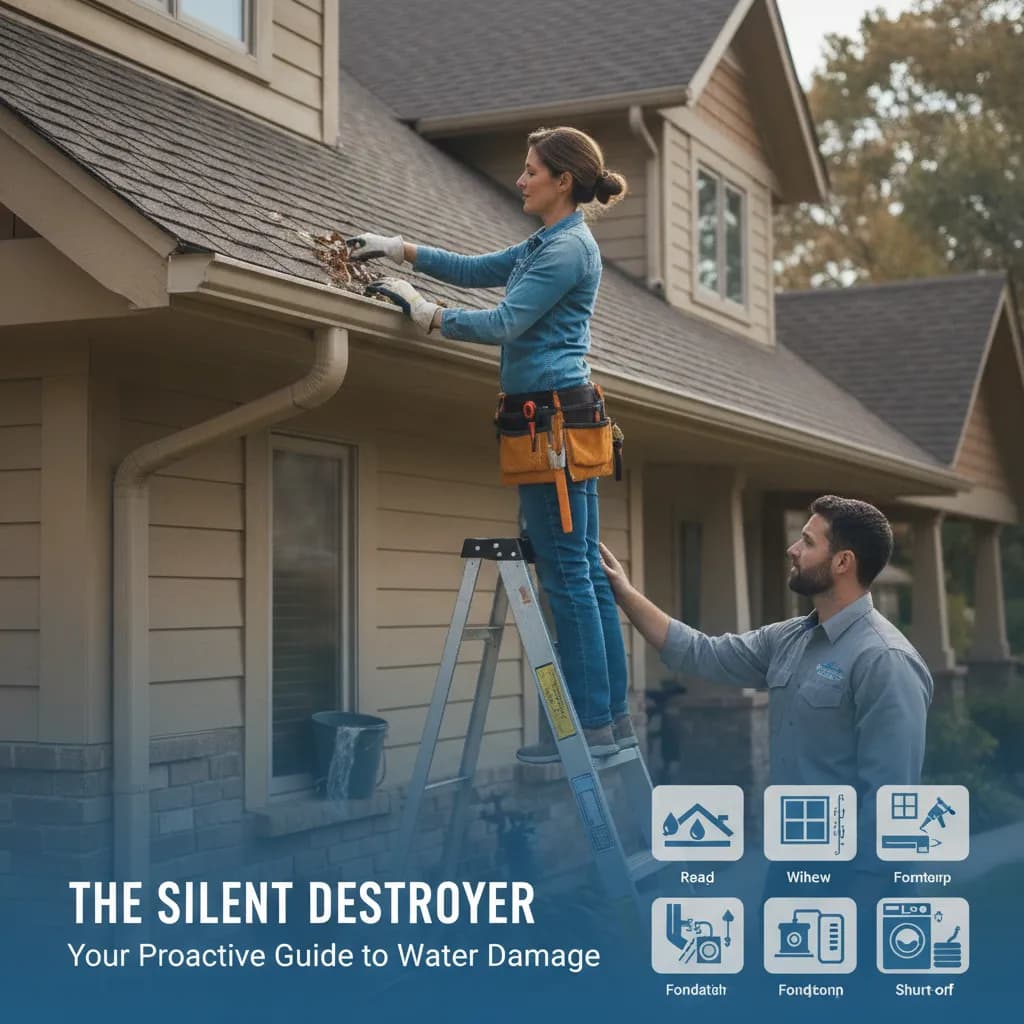
Of all the forces that threaten your home, none are as relentless or destructive as water. It doesn't arrive with a bang; it seeps, drips, and flows silently, undermining your foundation, rotting your home’s structure, and creating a breeding ground for toxic mold. For a homeowner, preventing water damage isn't just another task on the checklist—it's the most critical defense you can mount for your investment.
The good news? You can win this fight. The key is to stop thinking about water damage as a single, catastrophic event and start seeing it as a battle fought on four key fronts.
Your roof and gutters are your home's first line of defense. When they fail, everything below is vulnerable.
Your home's exterior siding is its raincoat. But even the best raincoat can fail if it has holes.
This is where water does its most sinister work, attacking the very structure of your home.
Not all water threats come from the outside. The most common (and often most expensive) water damage claims originate from failed plumbing and appliances inside your home.
Keeping track of all these potential failure points—from cleaning gutters to checking appliance hoses and testing the sump pump—can feel overwhelming. It’s easy to forget a task until it's too late and you’re standing in a puddle.
This is exactly why we built Properteer. Instead of relying on memory, Properteer creates a personalized maintenance plan for your home. It sends you smart alerts for critical tasks, like 'Inspect washing machine hoses' or 'Test your sump pump before the rainy season.' It helps you budget for the eventual replacement of your water heater before it fails and floods your basement. Properteer turns chaotic homeownership into a simple, proactive plan, giving you the peace of mind that your biggest investment is protected from its greatest threat. Visit properteer.ai to see how it works.
Q: What's the single most important thing I can do to prevent water damage? A: Keep your gutters clean and ensure your downspouts direct water at least 5-10 feet away from your foundation. This single action solves the most common cause of water intrusion for the vast majority of homes.
Q: How often should I test my sump pump? A: You should test it at least twice a year, ideally in the spring before heavy rains and in the fall before winter. Simply pour a bucket of water into the sump pit to ensure the float rises and the pump activates properly.
Q: I found a small leak under my sink. What should I do first? A: First, place a bucket or towels to catch any dripping water. Second, locate the small shut-off valve for that specific sink (usually on the pipes directly below it) and turn it clockwise until it stops. This contains the problem while you assess the repair or call a professional.
Q: Can a tiny, slow drip really cause that much damage? A: Absolutely. A slow drip can go unnoticed for weeks or months, silently rotting wood, subflooring, and drywall. This creates a perfect environment for hazardous mold growth, often making 'silent leaks' more destructive and expensive to repair than a sudden burst pipe.